
Reasons to choose Aohoy
img
img
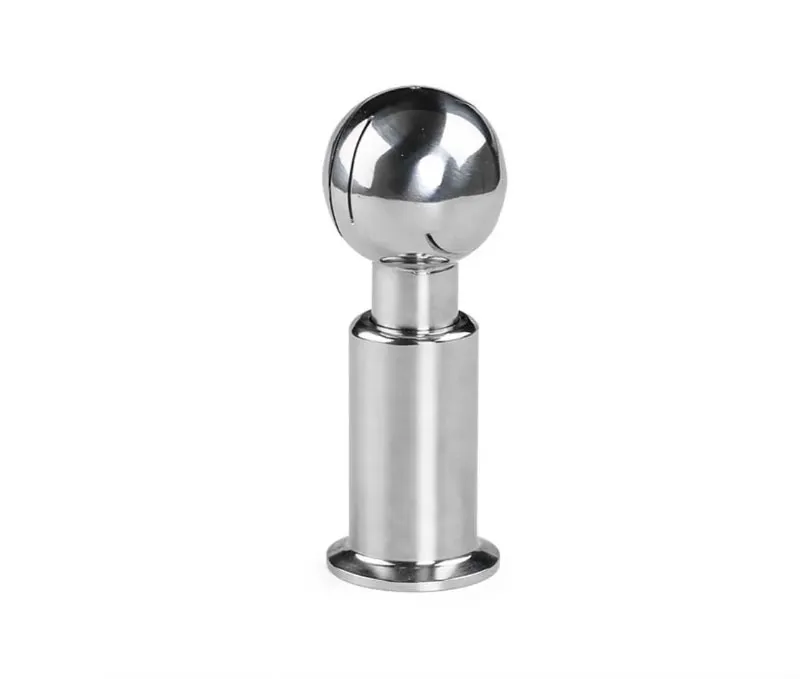
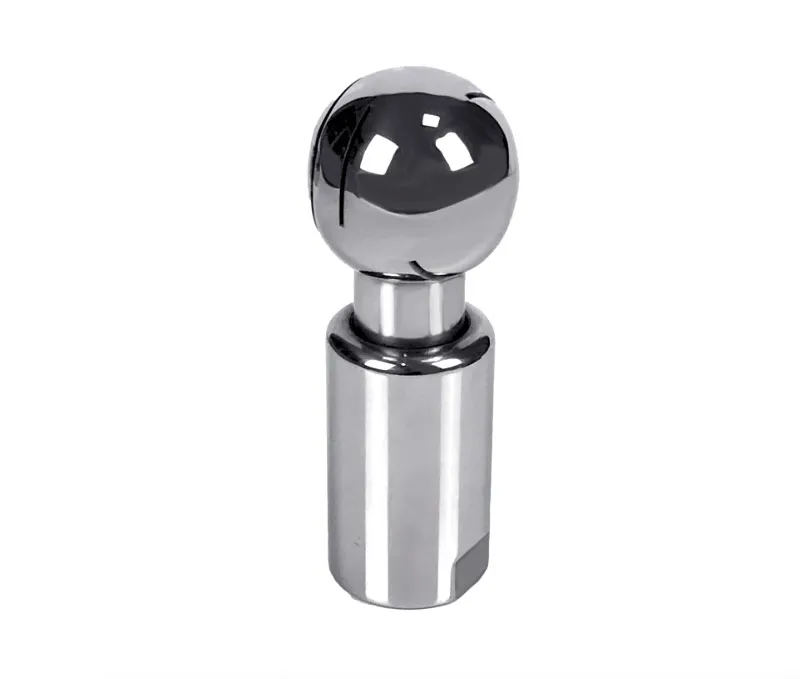
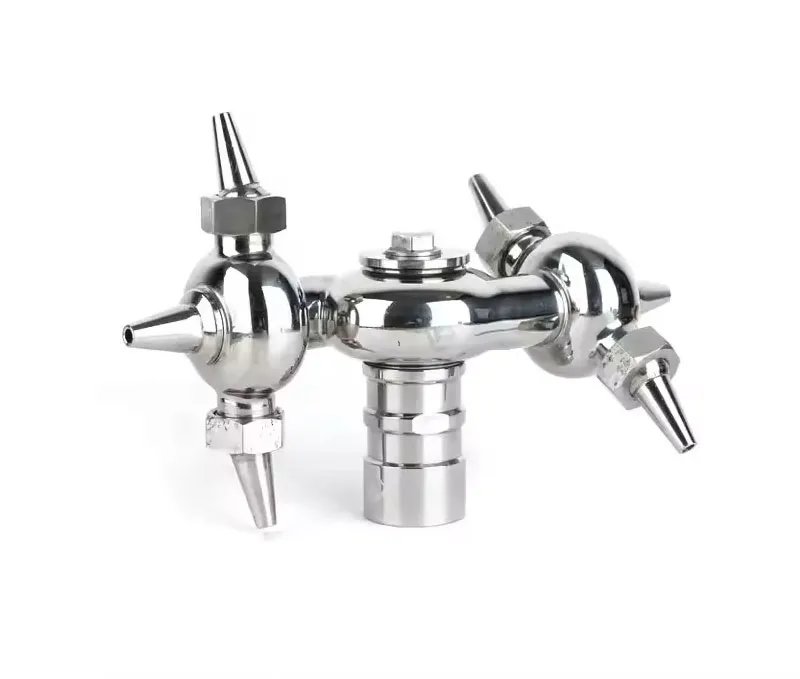
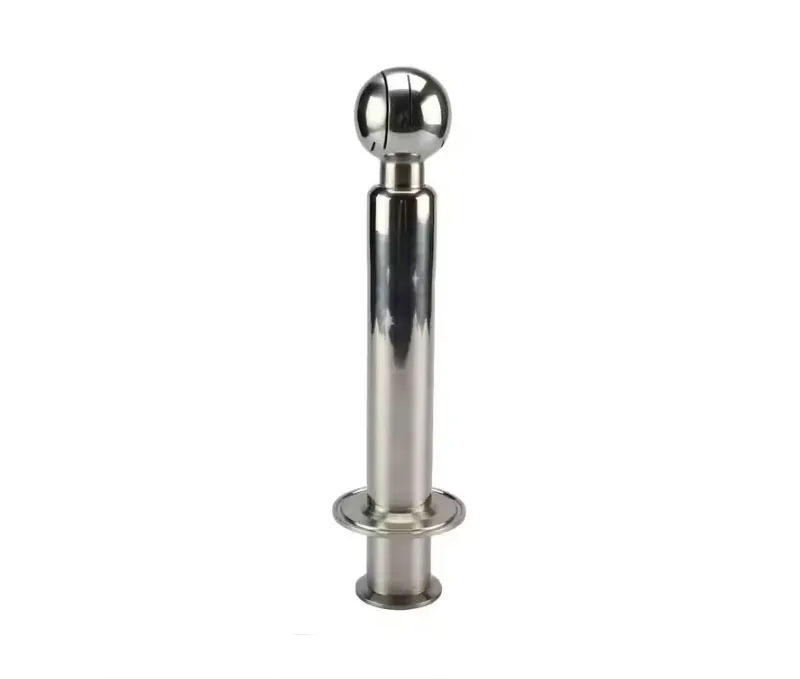
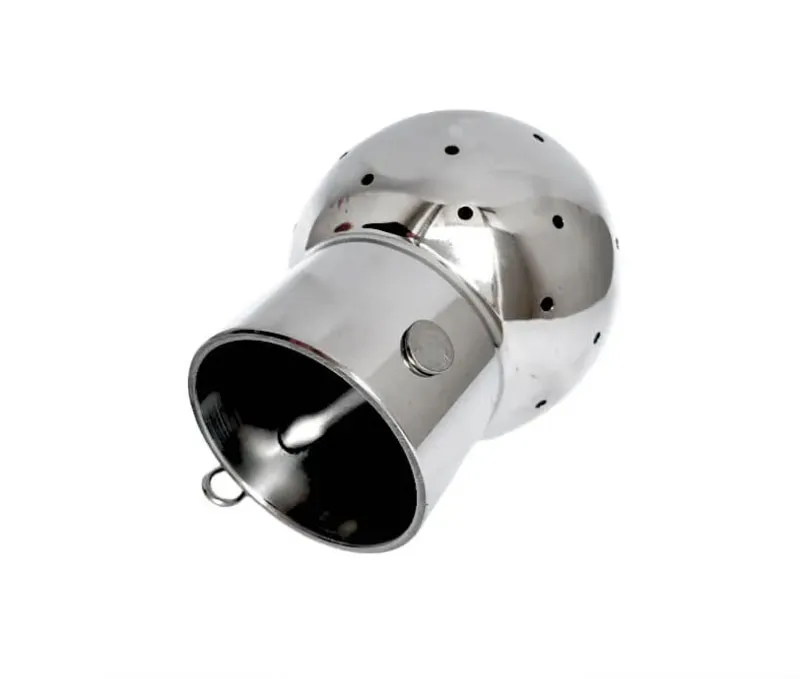
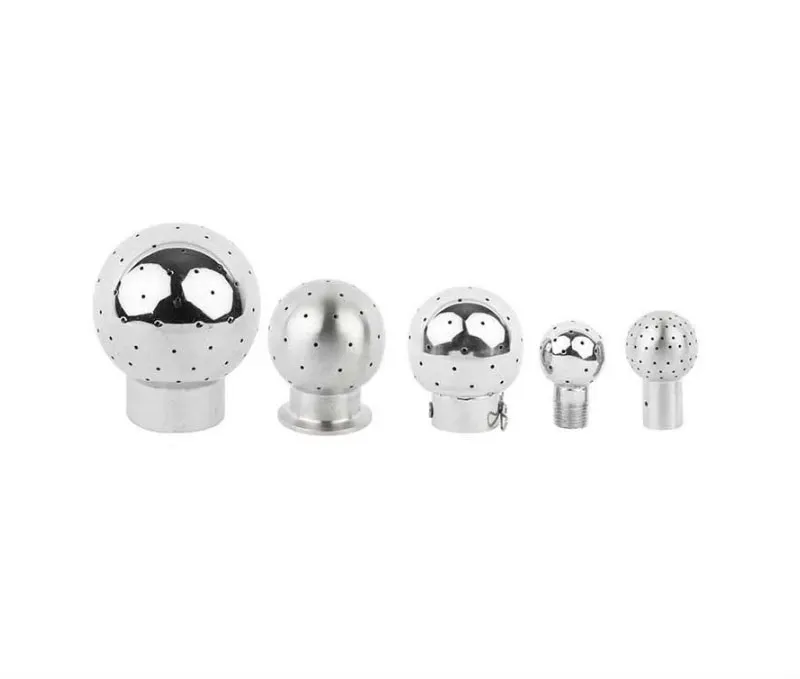
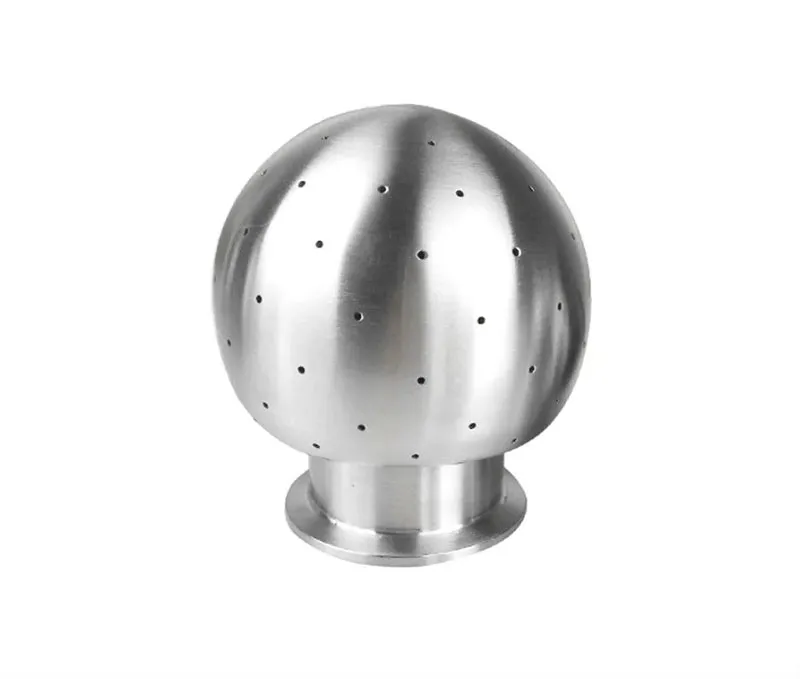
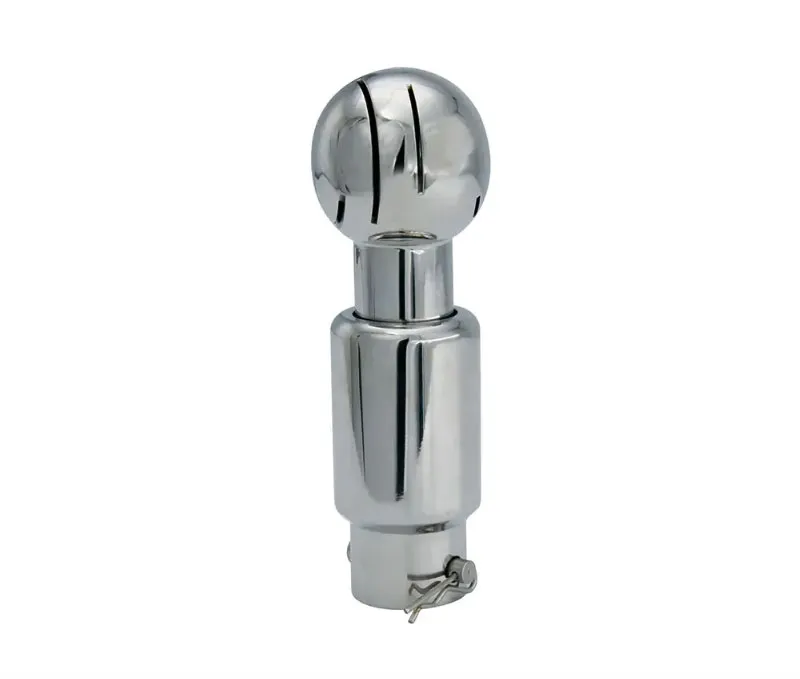
360° High-Impact CIP Cleaning

Optimized CIP Efficiency & 360° Coverage Our rotary spray balls are hydrodynamically engineered to provide high-impact cleaning with reduced water consumption. They deliver complete 360° coverage, ensuring the removal of stubborn residues and eliminating "shadow areas" in your tanks.

img
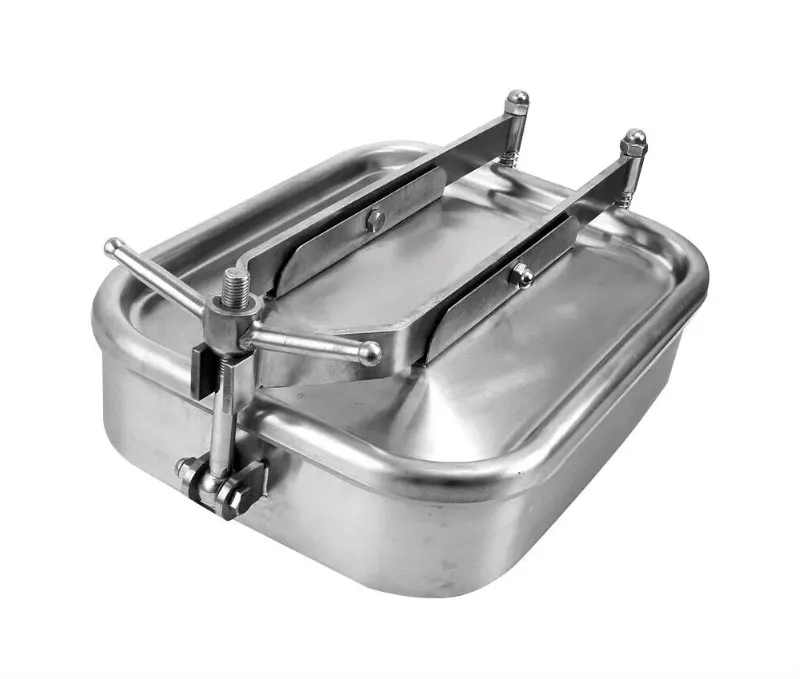
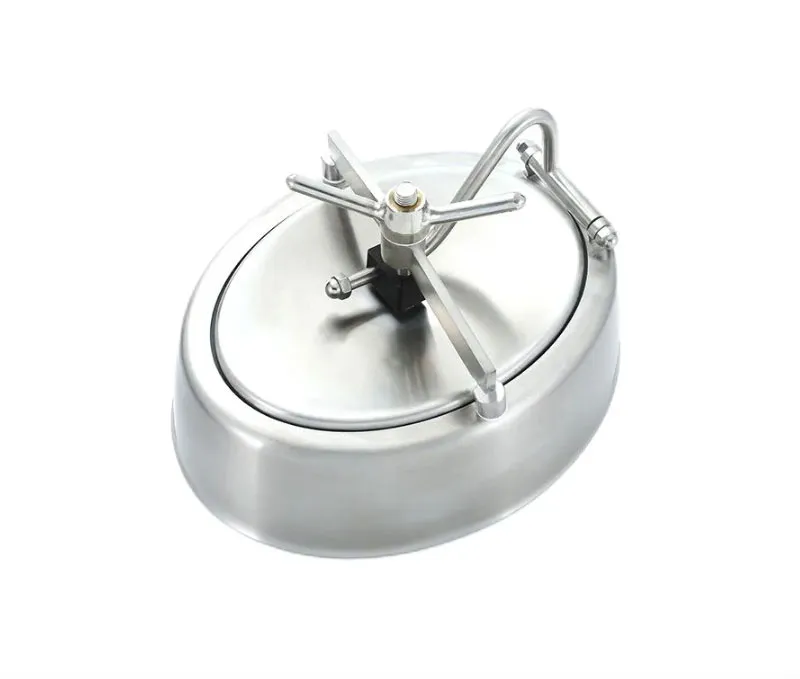
Certified Pressure Vessel Safety

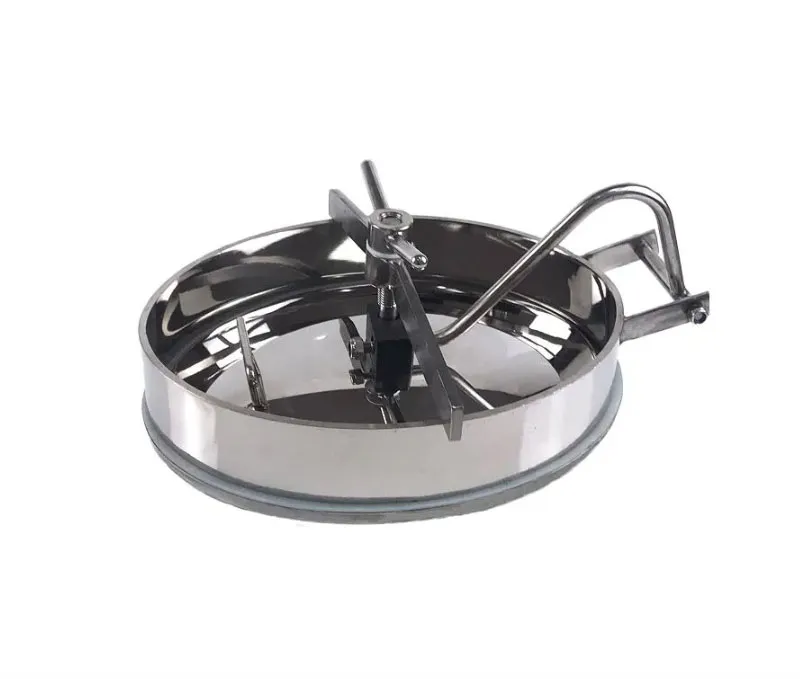
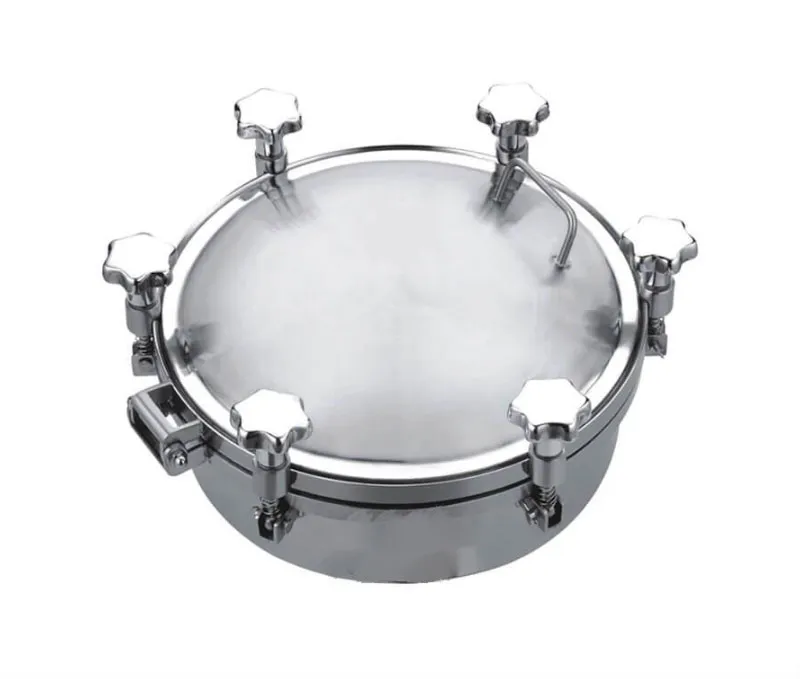
Certified Safety for Pressure Vessels Safety is non-negotiable. Our manhole covers are engineered to withstand specified pressure ratings, featuring durable gaskets and ergonomic handles for smooth operation. We prioritize structural integrity to protect both your personnel and your process.

img
Crystal-Clear Thermal Resistance

High-Durability Visual Monitoring Our sanitary sight glasses utilize high-grade borosilicate glass, offering exceptional transparency and resistance to thermal shock. This ensures safe, crystal-clear observation of tank levels and reactions, even under fluctuating temperature conditions.

img
Custom Fabrication Support

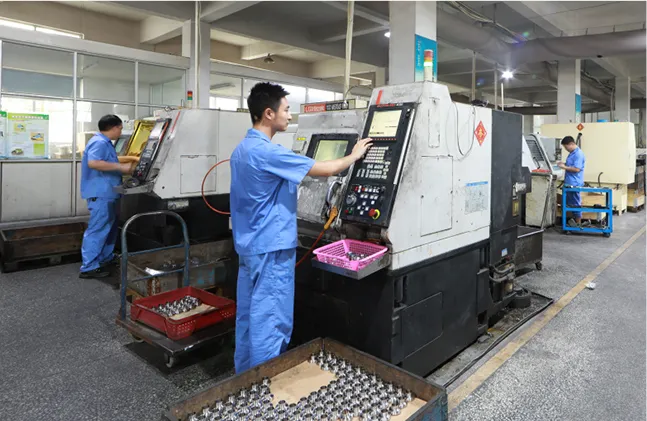
Engineering Adaptability & Custom Fabrication Every tank is different. Beyond standard parts, we offer customization services including specific R-angle matching for tank curvature. Our engineering team supports you with CAD drawings to ensure our components fit your vessel perfectly.

img
What is a Sanitary Tank Components?
Sanitary Tank Components refer to the various parts and fittings used in the construction and operation of tanks designed for hygienic applications.
These components are commonly used in industries like food, beverage, pharmaceuticals, and biotechnology, where cleanliness and contamination prevention are crucial.
FAQ About Sanitary Tank Components
How do I clean sanitary tank components?
Sanitary tank components are typically cleaned using CIP (Clean-In-Place) systems, which involve circulating cleaning solutions through the system without disassembling it. For more thorough cleaning, hand washing with approved detergents may be necessary. The cleaning process must also include sterilization (SIP) if required by the application.
Are sanitary tank components expensive?
Sanitary tank components tend to be more expensive than standard industrial components due to their specialized design, higher material quality (like stainless steel), and compliance with strict hygiene standards. However, the investment is justified by the increased durability, ease of maintenance, and the protection of product safety.
Why are materials like stainless steel commonly used in sanitary tank components?
Stainless steel, especially grades 304 and 316L, is the most commonly used material for sanitary components due to its excellent resistance to corrosion, ease of cleaning, and non-reactivity with most substances. This ensures that the contents of the tank remain safe and uncontaminated.
Excellent Service Preferred Aohoy
With its experienced specialists,specializes in manufacturing industrial valves and provides technical support and one stop solution global market.

GET A QUOTE

+86 13968899012

GET IN TOUCH NOW
Captcha Code