
If you want to get the most value out of your sanitary butterfly valves, remember these three indispensable key elements: choosing the valve best suited to your specific operating conditions, proactive maintenance, and adopting customized solutions that perfectly match your operational needs.At Aohoy, based on the strict guidelines of the 3-A sanitary standard and practical experience accumulated in projects, we have conducted in-depth data analysis and arrived at an undeniable conclusion: following these three principles, you can not only extend the service life of your valves by 30%, but also reduce maintenance costs by 40%.
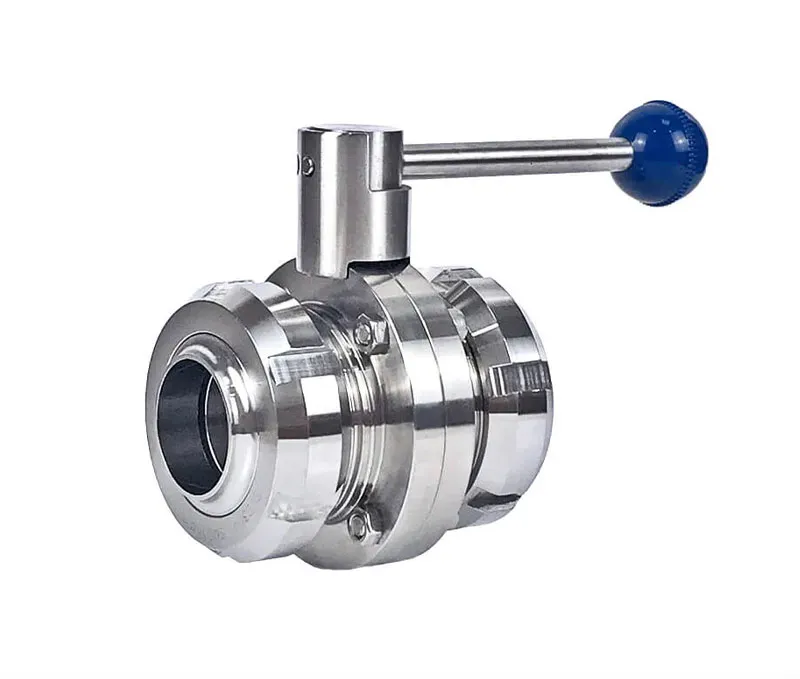
1. Choosing the Right Sanitary Butterfly Valve for Your Application
Choosing the wrong valve is the biggest mistake leading to premature failure. Valves equipped with platinum-cured silicone seals? They can withstand over 5000 sterilization cycles without leaking. But what about ordinary EPDM seals? They will fail after only 800 cycles.
For corrosive media, such as highly acidic fruit juices that corrode standard materials, our PTFE-lined sanitary butterfly valves outperform standard stainless steel models. Thanks to their superior corrosion resistance, their service life is 2.5 times longer than standard models.
The key to choosing the right valve lies in the details. If you need to handle high-frequency switching scenarios, such as dairy product pipelines that switch dozens of times per hour, choose electric sanitary butterfly valves with 316L stainless steel discs. They are specifically designed to handle this type of wear. For low-temperature storage systems, you need valves equipped with low-temperature resistant EPDM seals and SF-1 self-lubricating bushings—these are crucial to prevent valve seizing, which can shut down production lines for hours, causing significant losses. At Aohoy, we don't just sell you a valve and leave it at that; we delve into the details to customize components.
2. Proactive Maintenance Extends Service Life
Here are some practical and effective maintenance tips: lubricate the valve stem quarterly using high-temperature molybdenum disulfide grease. But the key is to wipe off all the old grease first. If you skip this step, you risk cross-contamination, which can damage your product and affect your compliance record. Secondly, inspect the sealing surface once a month. If you find minor scratches, polish them with food-grade polishing paste – it will look brand new. But if you find cracks or hardening, replace the seal immediately, and be sure to use genuine Aohoy seals. They are designed to ensure your system meets hygiene standards, which is not optional – it's essential.
For electric sanitary butterfly valves, calibrate the stroke accuracy annually. You need to ensure that the 4-20mA feedback signal perfectly matches the actual valve opening angle. Neglecting this step will ultimately lead to unstable flow, affecting the entire production process. Sometimes off-the-shelf maintenance solutions don't meet the needs of specific scenarios. Take a large beverage factory in Zhejiang that we partnered with as an example – they were constantly troubled by frequent valve blockages because their juice contained a large amount of pulp, causing frequent equipment blockages. Instead of simply providing them with a new valve, we collaborated with their team to design a high-flow sanitary butterfly valve with an optimized valve disc angle and widened flow path.
3. Ready to take action? Aohoy has you covered.
If you're tired of dealing with valve failures, high maintenance costs, and process downtime, it's time to take the next step. Visit our website to learn about Aohoy's full range of sanitary butterfly valves. Or, even better, contact our technical team. We will provide you with a free solution tailored specifically to your operations. Let us ensure your fluid control system runs efficiently.