
Article Overview: This guide examines the critical role of sealing components in hygienic fluid systems, identifies key application scenarios, and provides a structured framework for procurement teams to assess supplier reliability, material compliance, and long-term performance.
Why Sealing Integrity Matters in Hygienic Applications
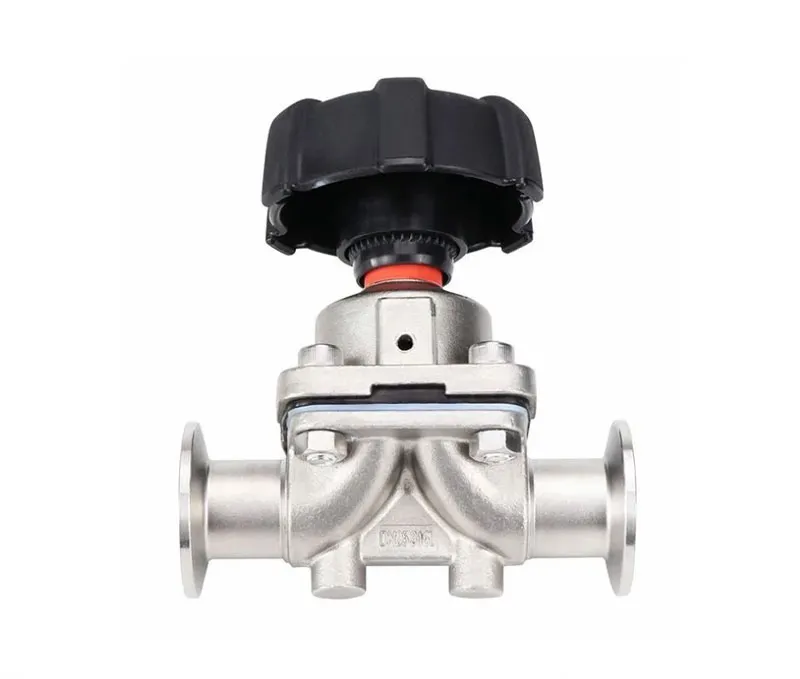
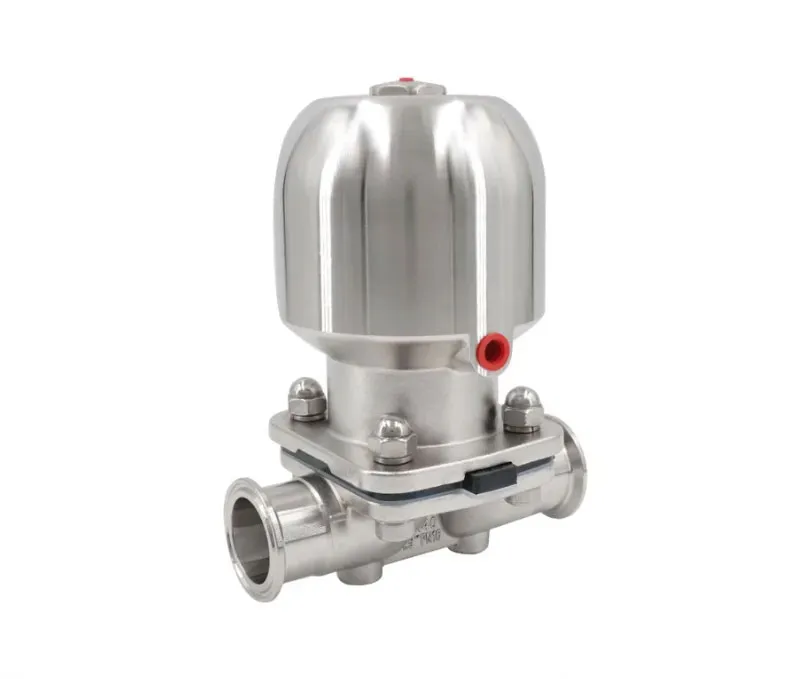
In sanitary processing environments—whether pharmaceutical, food, dairy, or beverage—every connection point is a potential contamination risk. Gaskets, O-rings, valve stem seals, and sight glass seals must maintain a leak-free barrier under repeated cleaning cycles (CIP/SIP) and varying pressure and temperature. A single seal failure can lead to product loss, batch contamination, costly downtime, and regulatory non-compliance.
Material selection is the first checkpoint. Common elastomers include EPDM (good for steam and hot water), silicone (wide temperature range), and PTFE (chemical resistance). However, each material has limitations: EPDM swells in oils, silicone can tear, PTFE lacks elasticity. Procurement teams must verify that the supplier’s seal materials are certified for the specific fluid contact, temperature range, and cleaning protocol. Surface finish of mating parts—often ≤0.8 µm Ra for sanitary applications—also affects seal longevity. A supplier offering complete documentation of material certifications, FDA/USP compliance, and surface roughness reports reduces your qualification burden.
Real-World Applications: Where Sealing Failures Cause the Most Trouble
Sealing components are used across nearly every part of a hygienic process line. Understanding the highest-risk locations can help prioritize evaluation efforts during supplier selection.
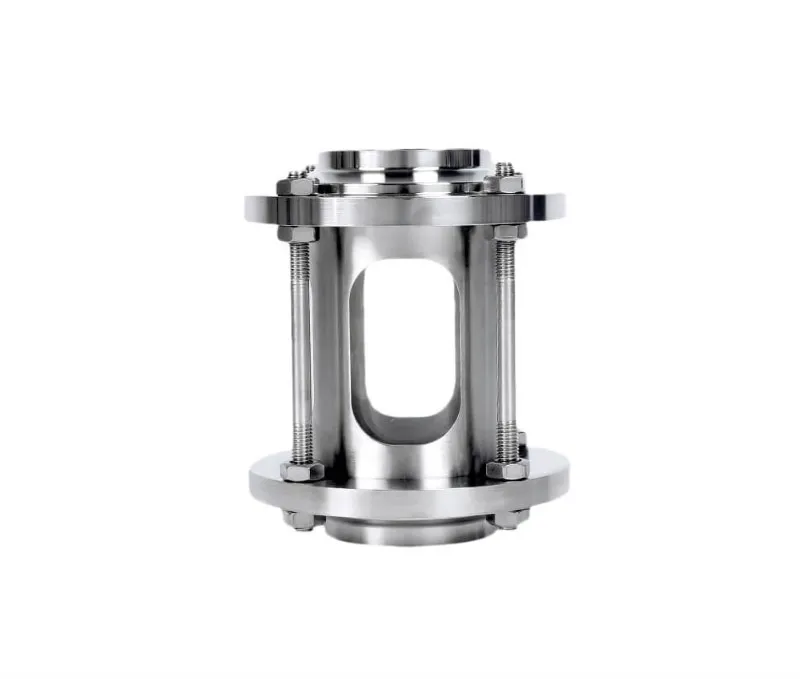
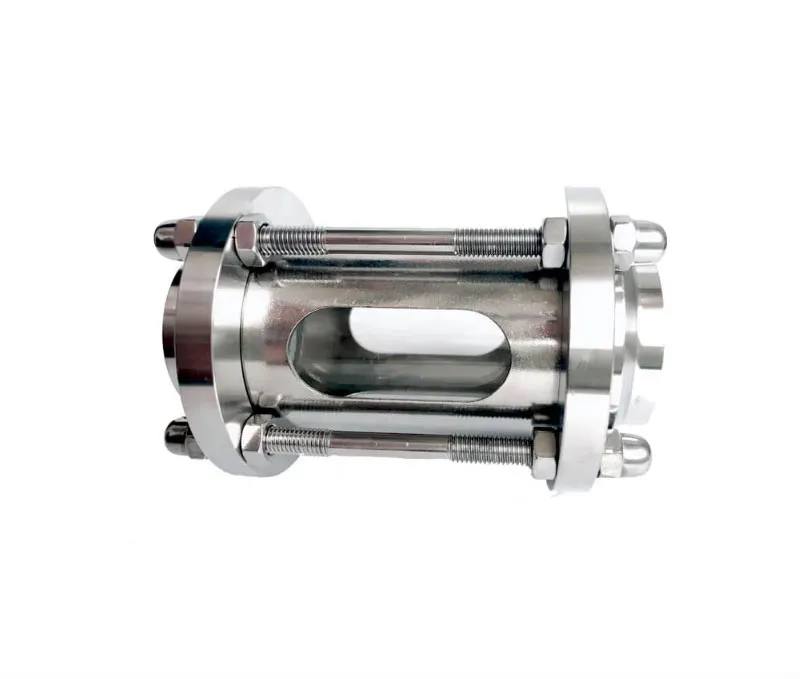
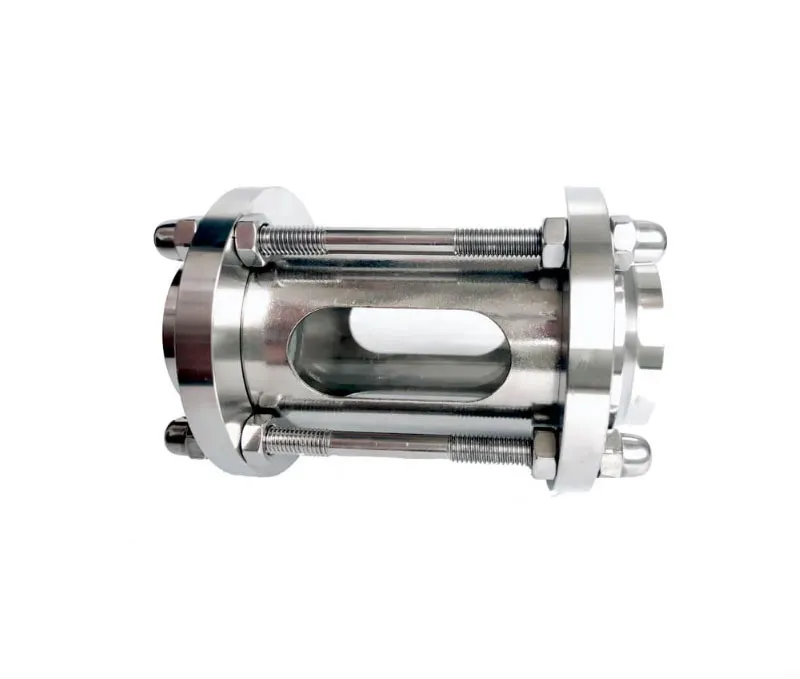
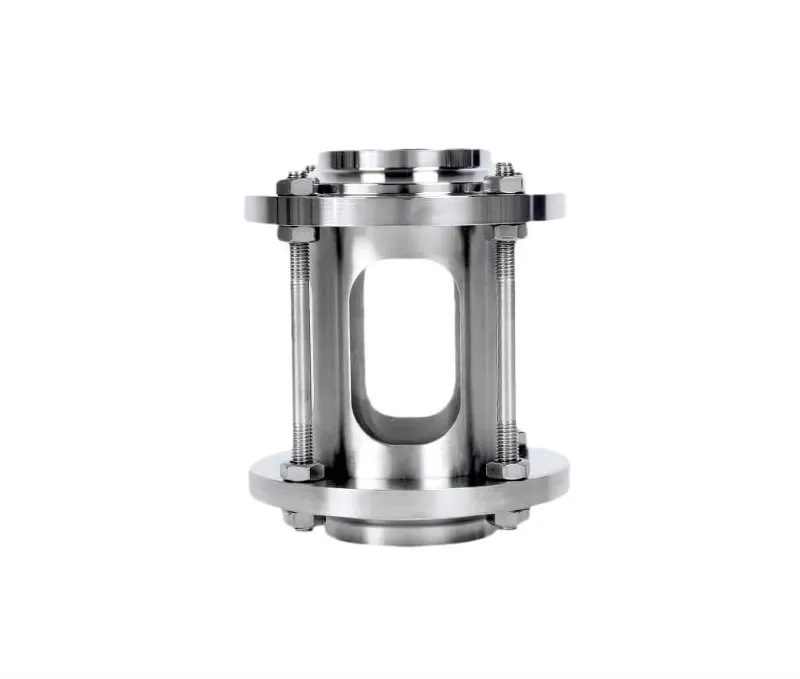
Valve stem seals, for example, are common failure points in butterfly valves used for flow control in dairy pasteurizers. If the seal degrades, product can leak into the stem area, creating a microbial niche. In pharmaceutical batch reactors, sight glass seals must withstand both pressure and thermal cycling. A sanitary sight glass with welded or flanged connections should be evaluated for glass-to-metal seal integrity and CIP compatibility.
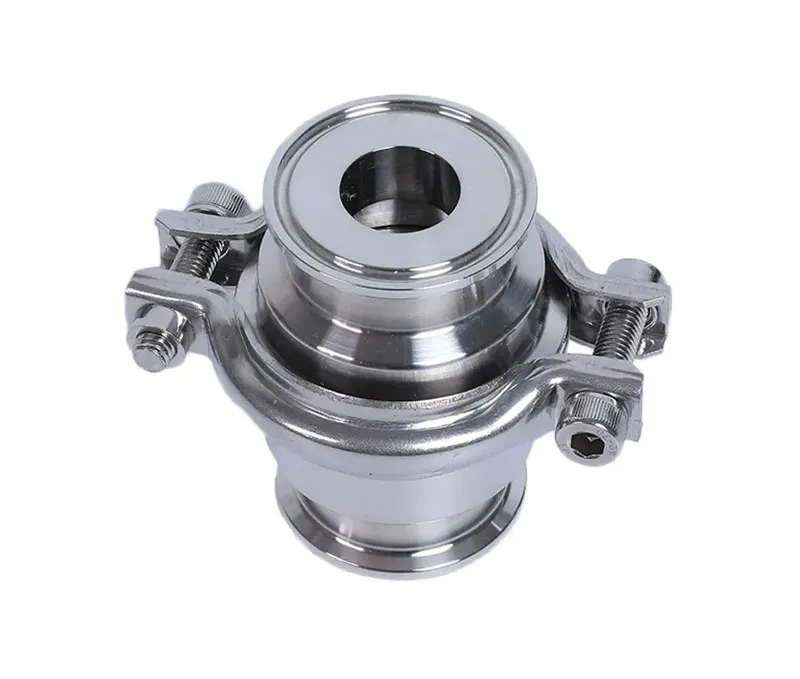
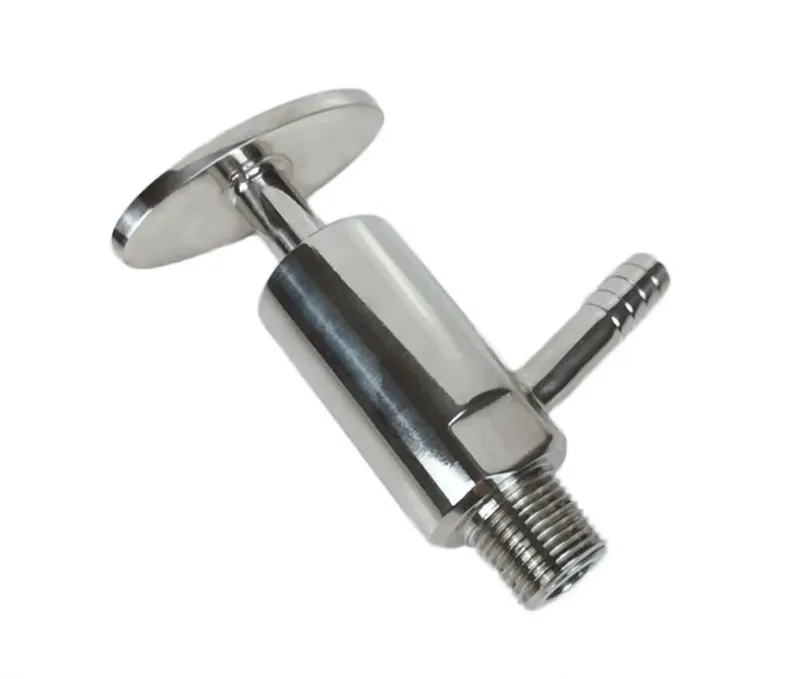
Another critical area is tube connection gaskets in tri-clamp fittings. In beverage filling lines, hundreds of gaskets are compressed between ferrules. Improper gasket material or uneven clamp torque can cause micro-leaks that harbor biofilms. Similarly, manifold seals in distribution hubs must maintain purity across multiple branches. A sanitary valve with poor stem sealing will require frequent replacement, increasing total cost of ownership.
Who Actually Cares: Decision-Makers and Their Priorities
Sealing components affect multiple stakeholders in a buying organization:
- Procurement managers focus on total cost of ownership—not just unit price. They look for consistent quality, reliable lead times, and suppliers that offer complete traceability (batch numbers, material lot certificates). A supplier that cannot provide full documentation may cause delays during audits.
- Project engineers care about dimensional accuracy, surface finish, and interchangeability. They need seals that fit existing valve bodies or fittings without modification. They also prefer suppliers who can provide technical drawings or 3D models for integration.
- Quality assurance and validation teams demand compliance with industry standards (e.g., 3-A Sanitary Standards, EHEDG, FDA). They will often request material test reports, sterilization cycle validation, and evidence of cleanability. A seal that fails a CIP simulation can disqualify the entire component.
Understanding these distinct priorities helps procurement teams ask the right questions during RFQ and avoid misalignment between sales promises and operational reality.
A Practical Checklist for Sealing Component Supplier Evaluation
Use this checklist to structure your RFQ and supplier assessment:
- Material certifications: Request FDA/USP Class VI compliance for elastomers, and 316L stainless steel certificates for metal parts. Confirm material is suitable for your process fluids and temperatures.
- Surface finish and tolerances: Specify required Ra value (e.g., ≤0.8 µm for product contact surfaces). Ask for surface roughness test reports.
- Cleaning and sterilization compatibility: Validate that the seal design and material can withstand your CIP/SIP cycles (chemicals, temperature, duration).
- Traceability and documentation: Require batch traceability, inspection certificates, and dimensional reports. For critical applications, consider lot testing.
- Customization capability: If your installation has non-standard dimensions or requires special elastomer blends, verify the supplier’s ability to produce custom seals without lengthy lead times.
- Testing and validation: Ask about leak testing procedures (e.g., helium leak test, hydrostatic test) and whether the supplier can provide sample seals for in-process validation.
For example, when evaluating a sanitary butterfly valve, you would specifically examine the stem seal and seat gasket material. A supplier that offers multiple elastomer options and provides detailed cleaning validation data demonstrates a higher level of engineering maturity.
Implementation Risks and How to Mitigate Them
Even with a well-chosen seal, implementation mistakes can undermine performance. Common risks include:
- Incorrect sizing or profile: Using a gasket that is slightly too thick or too thin can cause leaks or damage valve seats. Always verify dimensions against existing hardware before ordering large quantities.
- Incompatible lubricants: Some seal materials swell or degrade when exposed to assembly lubricants. Specify food-grade, seal-compatible lubricants and train installers accordingly.
- Over-compression: Excessive torque on clamps can deform elastomers and reduce service life. Use torque wrenches and follow manufacturer recommendations.
- Storage and shelf life: Elastomers degrade over time, especially if exposed to ozone or UV. Implement first-in-first-out inventory and verify date codes upon receipt.
Mitigation strategies include: performing a trial installation with a prototype seal under actual process conditions; maintaining a spare parts inventory for high-risk seals; and establishing a preventive maintenance schedule for replacement based on cycle counts rather than time alone. A reliable supplier will support you with installation guidelines and can provide cross-reference data for equivalent seal profiles from other manufacturers—such as those found in sanitary fitting portfolios.
Frequently Asked Questions
What are the most common seal materials used in sanitary applications?
EPDM, silicone, and PTFE are most common. EPDM is preferred for steam and hot water, silicone for wide temperature tolerance, and PTFE for aggressive chemicals. Always verify compatibility with your specific process fluids.
How do I know if a seal’s surface finish is adequate for my process?
For product contact surfaces, a finish of ≤0.8 µm Ra is typical. Request a surface roughness test report from the supplier. For non-contact areas, a finish ≤1.6 µm Ra may be acceptable.
Should I order a sample seal before committing to a full order?
Yes. For critical applications, request samples that match your exact dimensions and material. Test them under your CIP/SIP cycle and pressure conditions. This step can prevent expensive failures.
What documentation should a sealing supplier provide?
At minimum: material certificates (mill test report for metal, FDA/USP compliance for elastomer), dimensional inspection report, and batch traceability. For pharmaceutical use, also request validation support files.
Conclusion
Sealing components are small but critical to the reliability, safety, and compliance of sanitary processing systems. Procurement managers and project engineers who invest time upfront—using a structured checklist, engaging suppliers with clear technical requirements, and validating samples—can significantly reduce the risk of leaks, contamination, and unplanned downtime. The goal is not just to buy a seal, but to select a sealing partner who understands your application and can provide the documentation and support needed for a successful long-term operation. Start your next RFQ with these criteria in hand, and you will make more informed, confident procurement decisions.