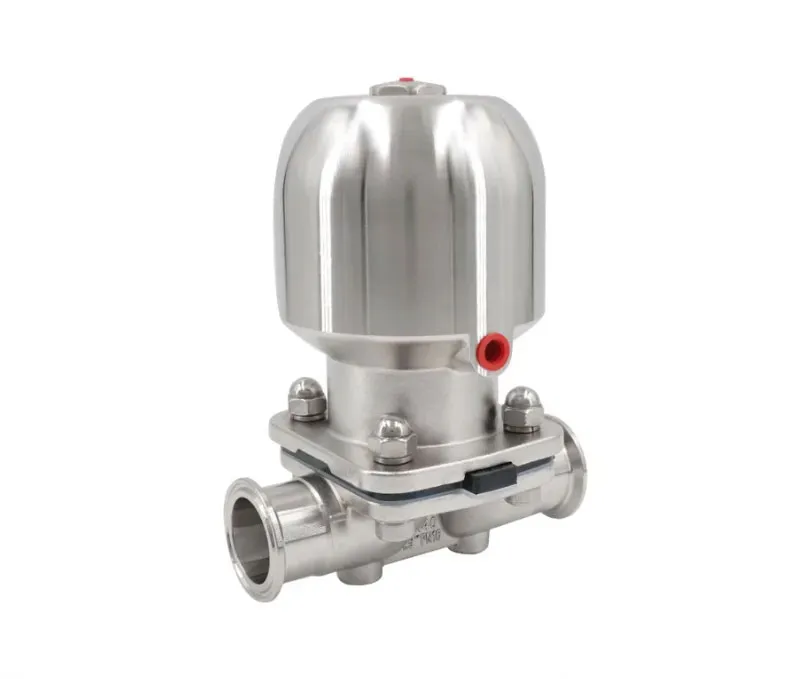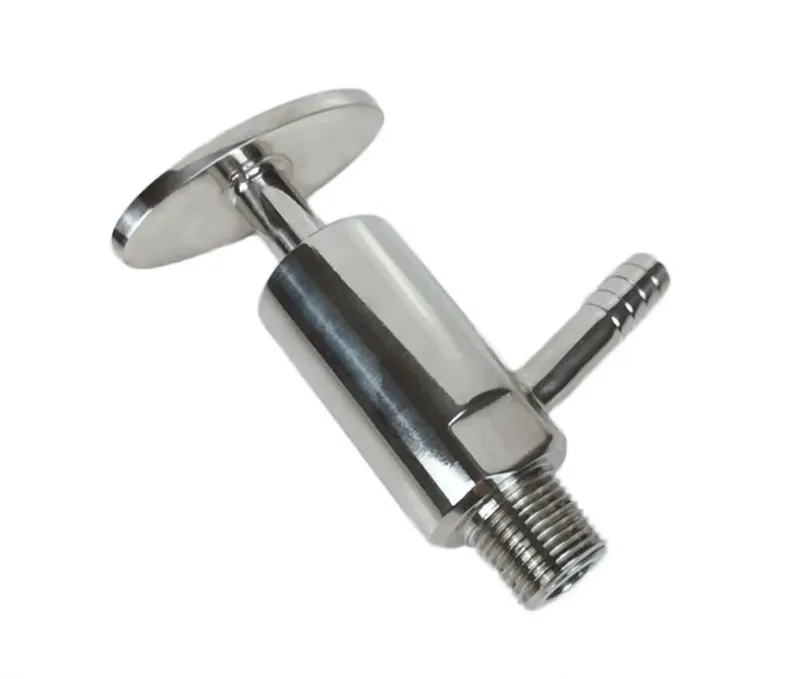

Article Overview: This comprehensive checklist guides procurement decision-makers through critical evaluation points for industrial sealing solutions. From material compliance and supplier capability to total cost of ownership and risk mitigation, each section provides actionable checkpoints to ensure a confident purchase. Whether sourcing for sanitary processes, high-pressure systems, or regulatory environments, this guide helps align supplier offerings with your operational requirements.
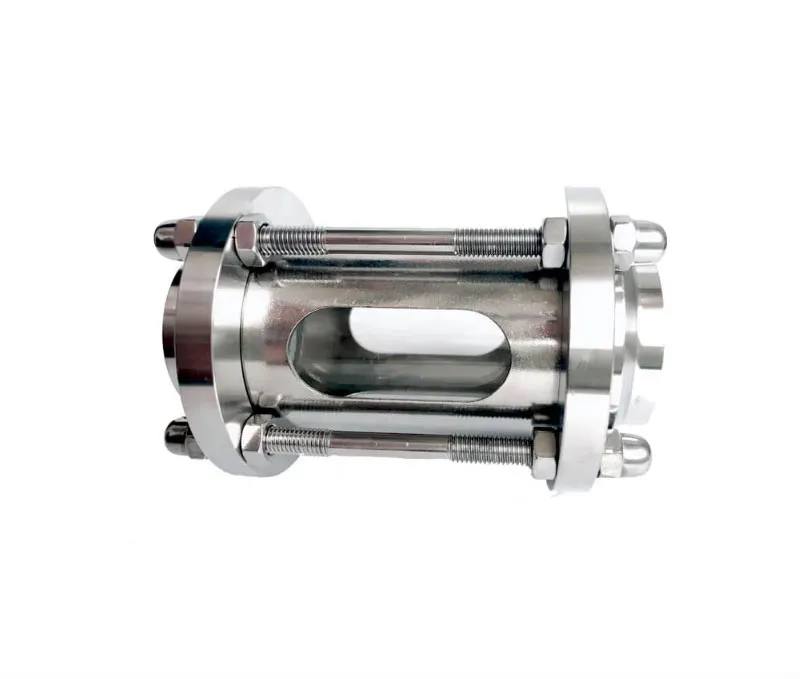
1. Understanding Your Sealing Requirements
Before engaging suppliers, clearly define the technical parameters of your sealing application. Start by documenting the fluid or gas media, operating temperature range, pressure conditions, and cleanliness standards. For industries such as food, dairy, beverage, pharmaceuticals, or biotech, compliance with FDA, EHEDG, or 3-A sanitary standards is mandatory. Seals must resist corrosion, withstand frequent cleaning cycles (CIP/SIP), and avoid harboring bacteria. Consider whether you need static seals (gaskets, O-rings) or dynamic seals (packing, lip seals). A precise specification sheet reduces confusion and ensures comparable quotes. For example, if your process involves corrosive media or steam sterilization, sealing materials like EPDM, silicone, or PTFE may be required. Outline your acceptance criteria for leakage rates, material certifications, and surface finish. This upfront investment in requirement definition pays off by eliminating unsuitable suppliers early in the evaluation process.
Additionally, assess the lifecycle context: Is the seal for a new installation, a retrofit, or a spare part? For retrofits, verify dimensional compatibility with existing equipment. For new installations, consider standardization across multiple lines to reduce inventory complexity. Documenting these operational constraints ensures that the chosen sealing solution integrates seamlessly without unexpected downtime.
2. Procurement Checkpoints: Material Compliance, Certification, and Traceability
When evaluating sealing products, six critical checkpoints help you verify quality and compliance:
- Material Certifications: Request certificates of compliance (CoC) or material test reports (MTR) from raw material suppliers. For FDA-grade elastomers, ensure the compound meets FDA CFR 21.177.2600 or other applicable standards.
- Traceability: Seals should be batch-coded and traceable to manufacturing records. This is vital for recall scenarios or quality investigations.
- Dimensional Accuracy: Verify that seal cross-section, inner diameter, and outer diameter conform to industry standards (e.g., ASME B16.20, DIN 2001) or your own specifications. Use go/no-go gauges or coordinate measuring machines.
- Surface Finish: For sanitary seals, require a surface finish Ra ≤ 0.8 μm on mating surfaces to prevent bacterial adhesion. Seal surfaces should be free of burrs, pits, or mold flash.
- Mechanical Performance: Ask for compression set, tensile strength, and elongation data. Low compression set ensures long-term sealing force retention under thermal cycling.
- Chemical Compatibility: Provide your process chemicals and request compatibility test results. Suppliers should document immersion test data per ASTM D471 or equivalent.
Implementing these checkpoints in your request for quotation (RFQ) forces suppliers to demonstrate technical readiness. Cross-check certifications against regulatory requirements for your industry and region.
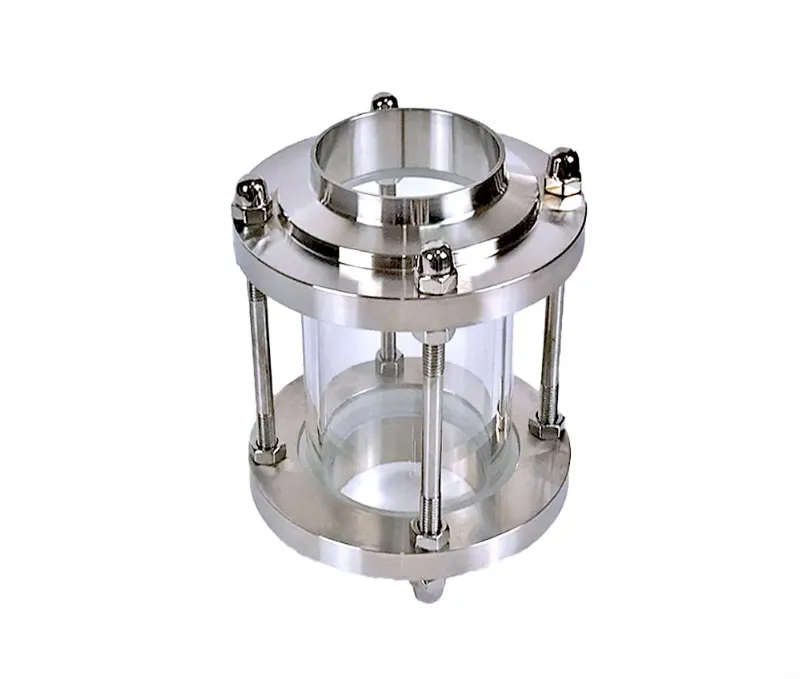
3. Supplier Evaluation: Fit, Capabilities, and Quality Assurance
Supplier evaluation goes beyond product specifications. Assess each candidate on their manufacturing capabilities, quality management systems (QMS), logistics, and technical support. Look for suppliers with ISO 9001 certification at minimum; for medical or pharma applications, ISO 13485 is beneficial. Visit their facilities or audit remotely to review cleanliness, storage conditions, and production consistency. Request sample shipments and perform in-house testing under your actual operating conditions. Evaluate lead times and buffer stock availability – delays in seal delivery can halt entire production lines. Consider whether the supplier offers customization (e.g., non-standard sizes, special compounds) and engineering support for complex applications. A supplier with a broad product portfolio, such as those offering sanitary valves and complementary sealing components, can simplify procurement and ensure system compatibility. Ask about quality control measures: in-process inspection, final testing (e.g., leak testing, dimensional checks), and defect rates. Strong suppliers will share this data transparently.
Also, evaluate their global distribution network if you need multi-site supply. Check references from companies in similar industries. A vendor who understands your industry’s regulatory language will save you time during documentation review.
4. Cost-Risk Tradeoffs: Total Cost of Ownership vs. Initial Price
Low-cost sealing solutions often carry hidden risks: frequent replacements, unplanned leaks, contamination, and regulatory non-compliance. Calculate total cost of ownership (TCO) over the expected service life, including purchase price, maintenance labor, downtime costs, spare inventory, and disposal. For example, a high-performance PTFE envelope gasket may cost three times more upfront than a standard elastomeric gasket, but if it lasts six times longer in a steam-in-place system, the TCO is lower. Factors that increase TCO: poor compression set requiring retorquing, incompatibility with cleaning agents causing swelling, or lack of traceability leading to batch rejection. On the other hand, investing in proven, certified seals reduces risk of product contamination, regulatory fines, and brand damage. Include a risk premium for processes where seal failure could cause safety hazards (e.g., pressure leaks in steam systems) or environmental spills. Partner with suppliers that offer performance guarantees, warranty, and technical assistance. These warranties are an important risk transfer mechanism. Procurement teams should weigh lifetime reliability against upfront cost using a weighted scoring matrix that accounts for both financial and operational impact.
Additionally, evaluate the supplier’s logistics cost: expedited shipping fees, minimum order quantities, and packaging waste. Some suppliers offer consignment inventory or vendor-managed inventory (VMI) programs that can optimize working capital. Discuss these options during negotiation.
5. Implementation Outcomes and Next-Step Actions
After selecting a sealing supplier, work out a detailed implementation plan. Schedule pilot runs on non-critical equipment to validate seal performance under real conditions. Document installation procedures, torque specifications, and inspection intervals. Train maintenance teams on proper handling and installation to avoid failures caused by misalignment or over-torquing. Establish performance metrics: leakage rate, seal lifetime, mean time between failures (MTBF), and changeover time. Integrate these metrics into your maintenance management system. For ongoing quality assurance, arrange periodic audit of the supplier’s production processes and material batch approvals. Create a supplier scorecard covering delivery performance, quality incident rate, responsiveness, and cost competitiveness. Review and adjust sourcing decisions annually based on this data. If you are sourcing multiple sealing types (gaskets, O-rings, packings), consider a single supplier that can bundle products, like sanitary fittings and compatible seals, to reduce administrative load. Finally, maintain a buffer stock of critical seals and keep an up-to-date spare parts list. By implementing these steps, procurement teams can achieve lower total cost, higher reliability, and peace of mind.
Frequently Asked Questions
What documentation should I request from a sealing supplier?
Always ask for material certifications (CoC, MTR), dimensional inspection reports, and performance test data (compression set, tensile strength, chemical compatibility). For regulated industries, also request FDA or equivalent compliance certificates.
How do I evaluate sealing material for high-temperature food processing?
Select materials like silicone, EPDM, or PTFE that withstand temperatures up to 200°C (392°F) continuous and can survive CIP/SIP cycles. Verify that the compound has low extractables and does not impart taste or odor.
What are the signs of a poor-quality seal?
Common indicators: inconsistent dimensions, surface defects, excessive flash, strong odor, or low resilience. Also, lack of batch traceability and refusal to share testing data are red flags.
Should I accept generic sealing products or require site brand specifications?
It is better to buy from suppliers who can match your exact specifications rather than relying on generic products. Generic seals may fit dimensionally but fail in performance due to different compounds or curing processes.
How can I reduce seal inventory without risking downtime?
Implement a vendor-managed inventory program or negotiate consignment stock with priority suppliers. Standardize seal sizes across equipment lines wherever possible. Maintain a risk-based min/max stocking policy for critical seals.
Conclusion
Procuring sealing solutions demands a structured approach that balances technical requirements, supplier capability, cost, and risk. By following this checklist – from defining requirements to evaluating suppliers and implementing performance metrics – procurement decision-makers can make informed choices that enhance operational reliability and reduce total ownership costs. Always prioritize proven materials, certified suppliers, and transparent quality data. For complementary components like tri clamp fittings, consider sourcing from partners who offer integrated sealing systems. Next steps: use the checklist to refine your RFQ, request samples from shortlisted suppliers, and schedule a pilot evaluation. A disciplined procurement process today leads to fewer leaks, lower maintenance, and greater peace of mind tomorrow.