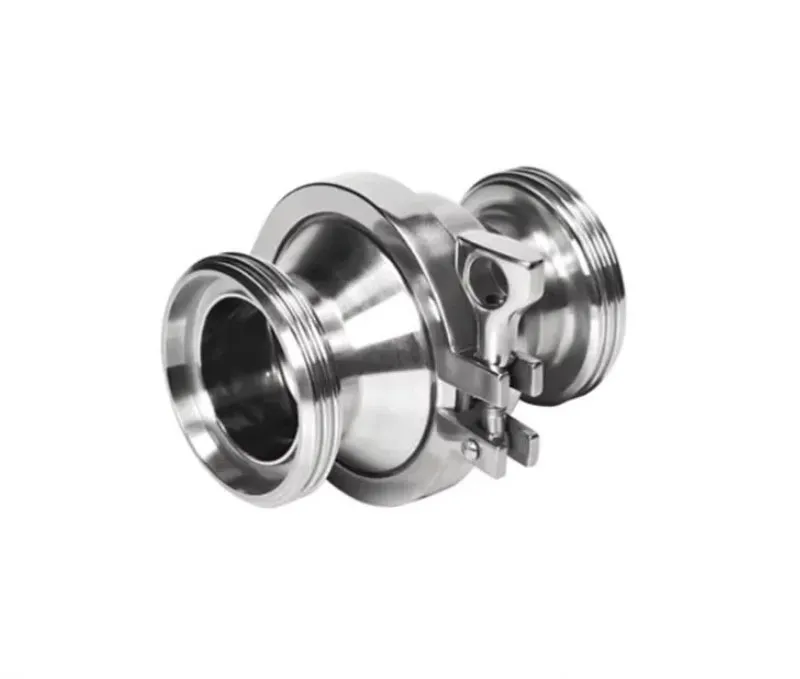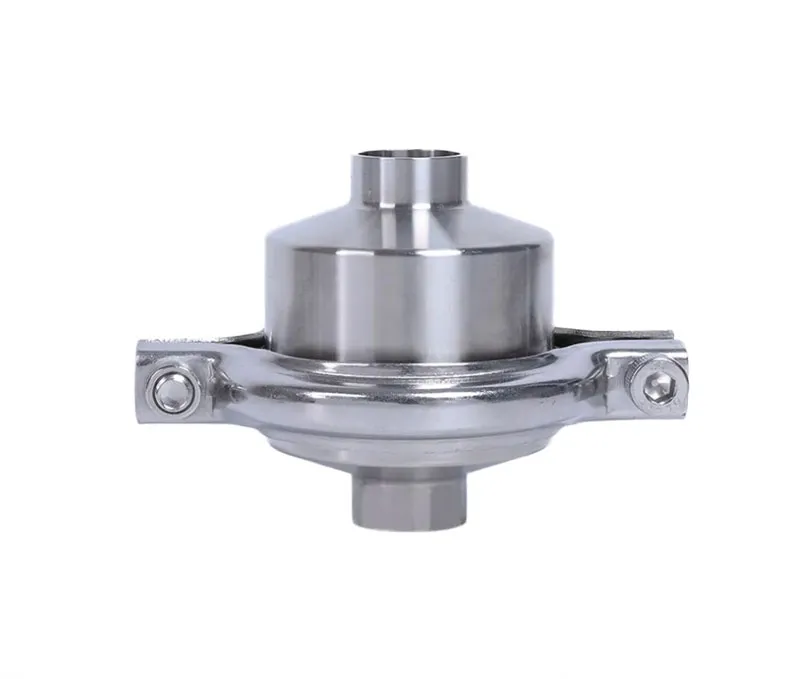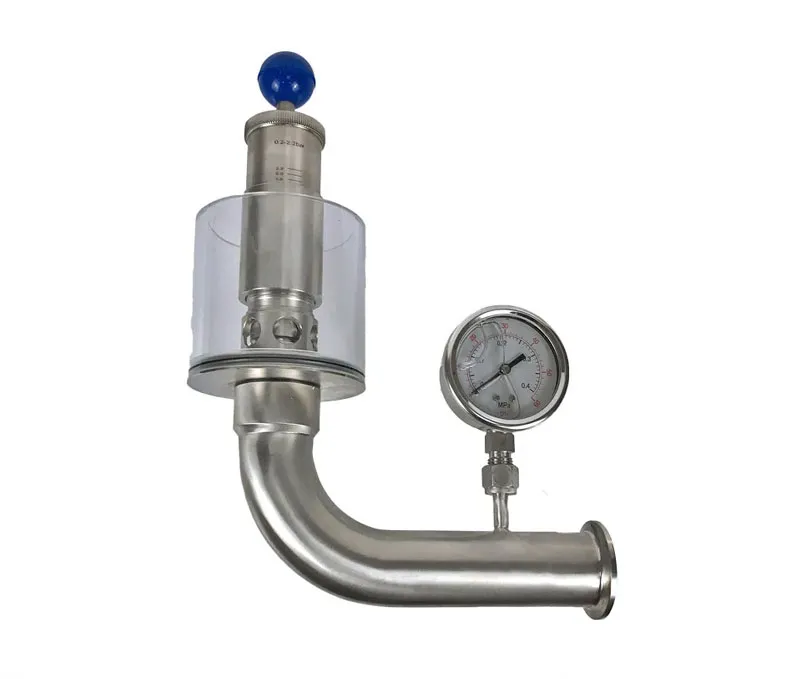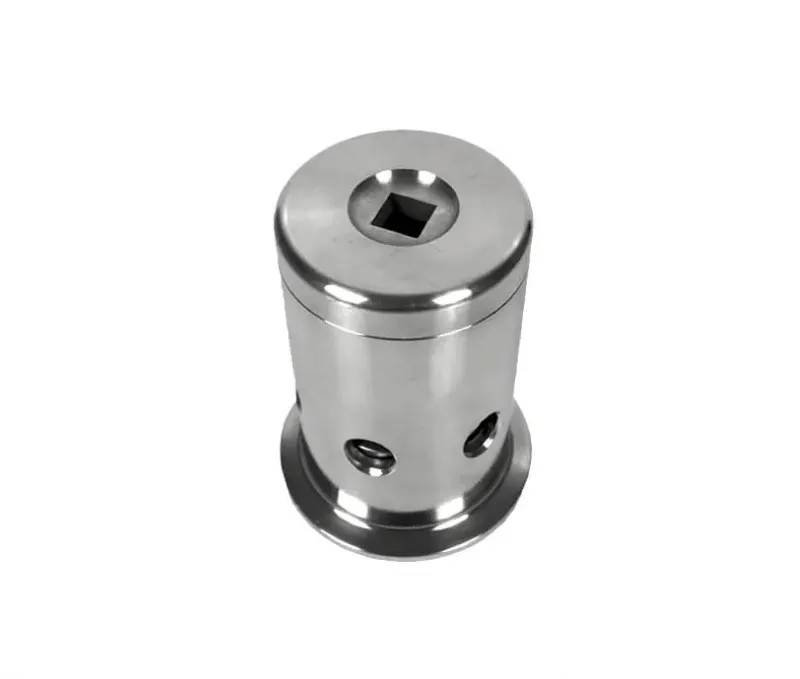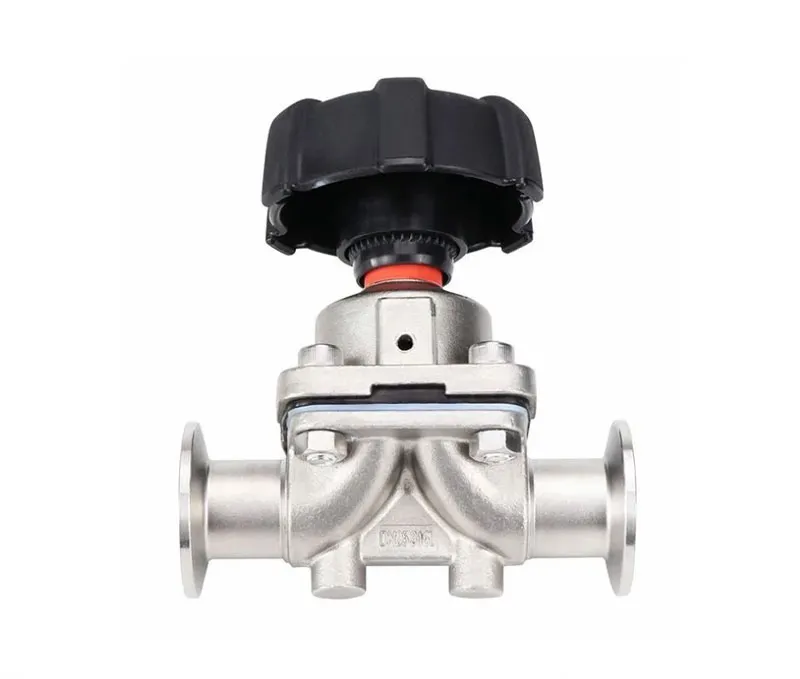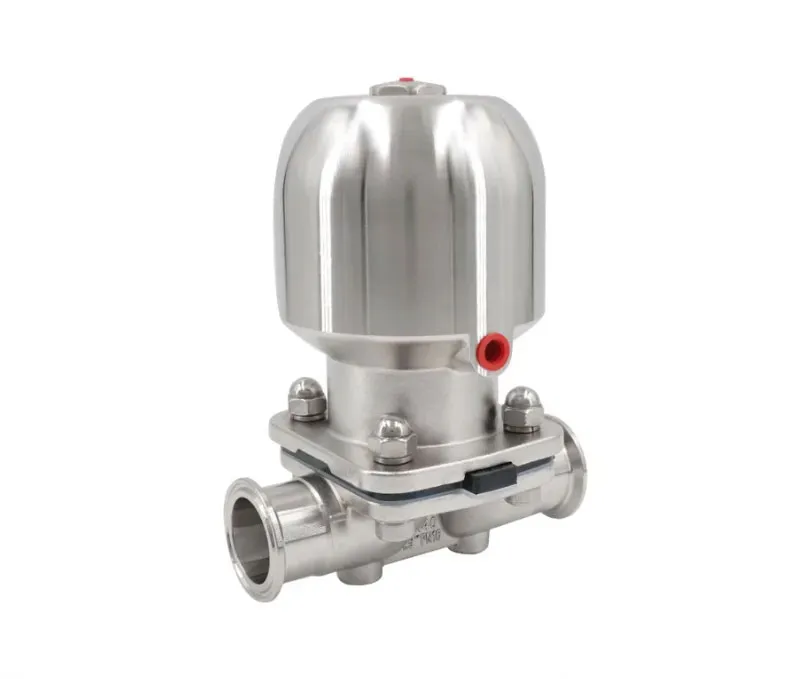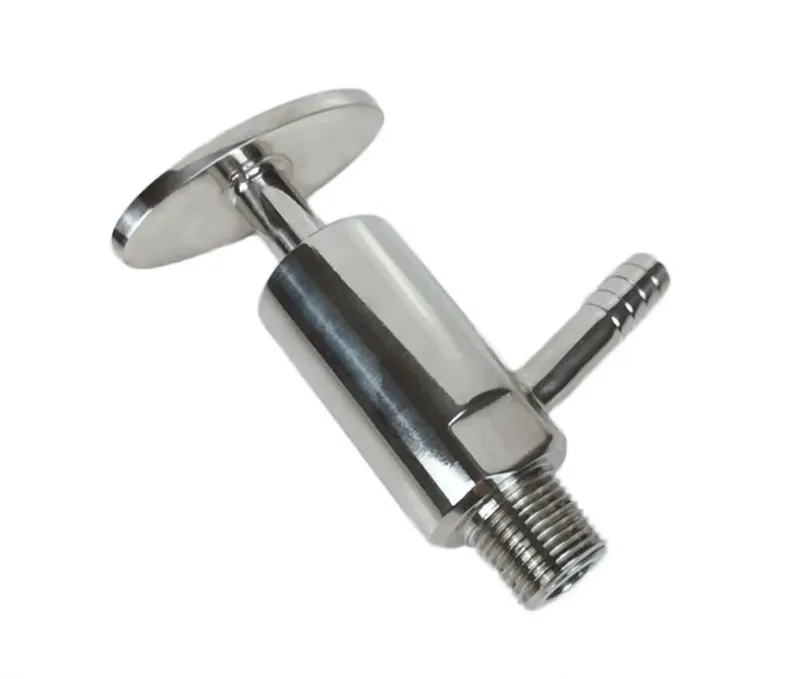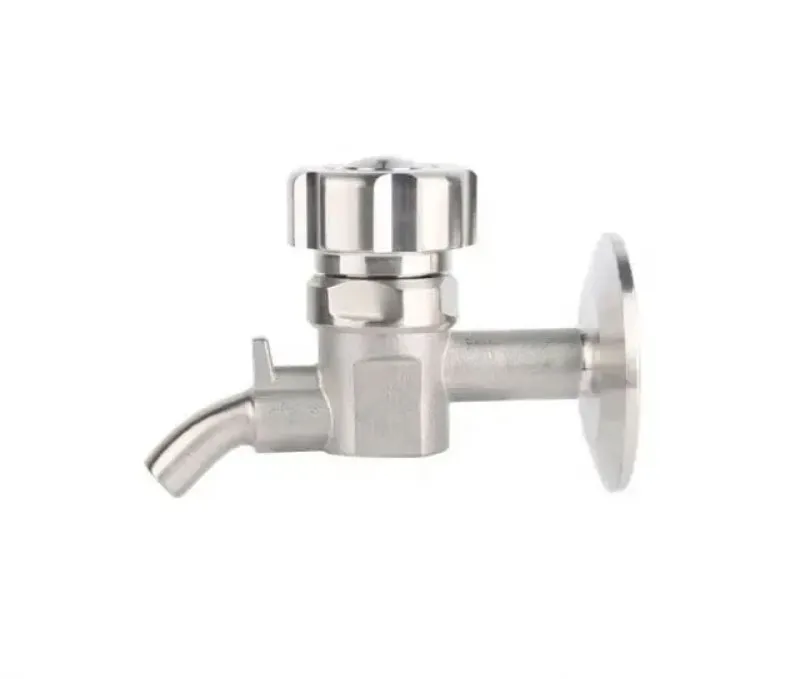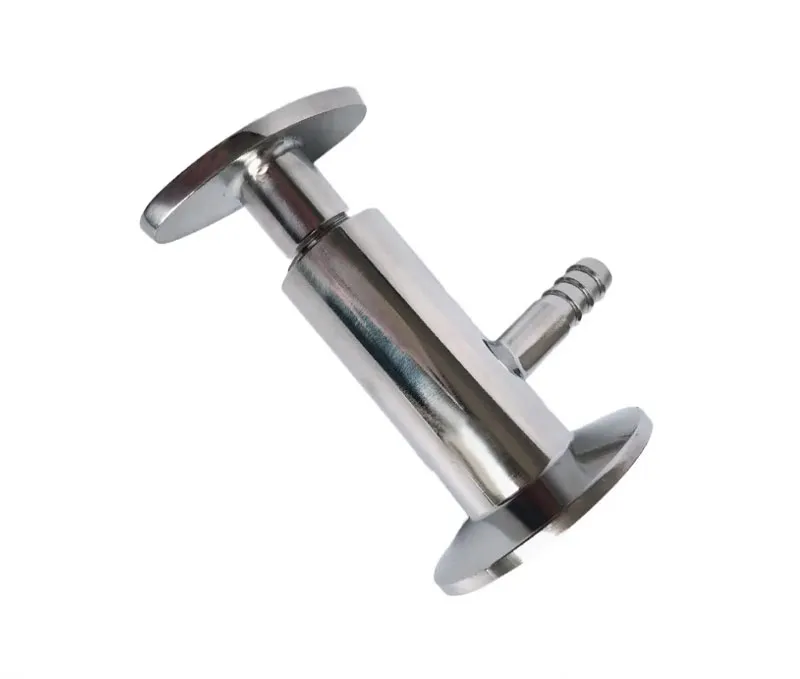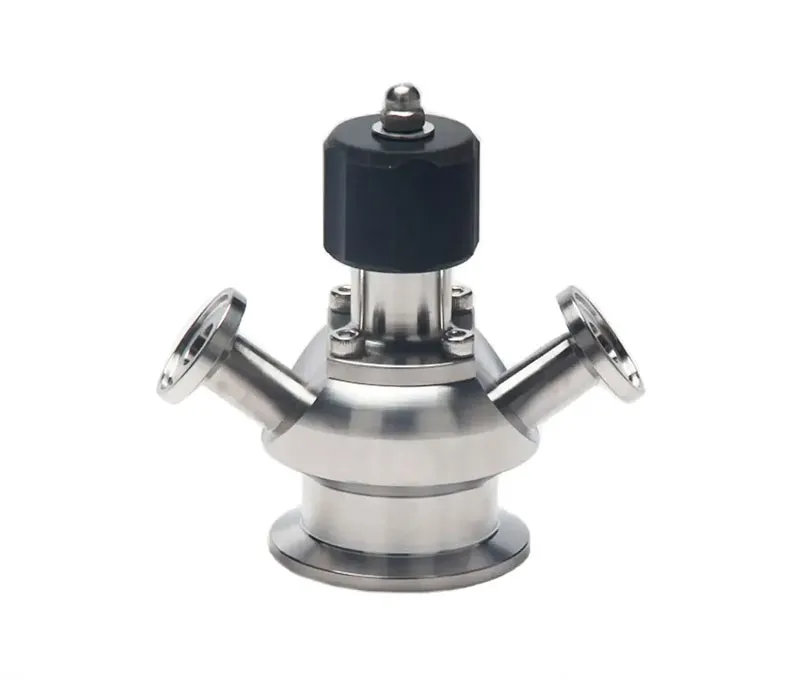

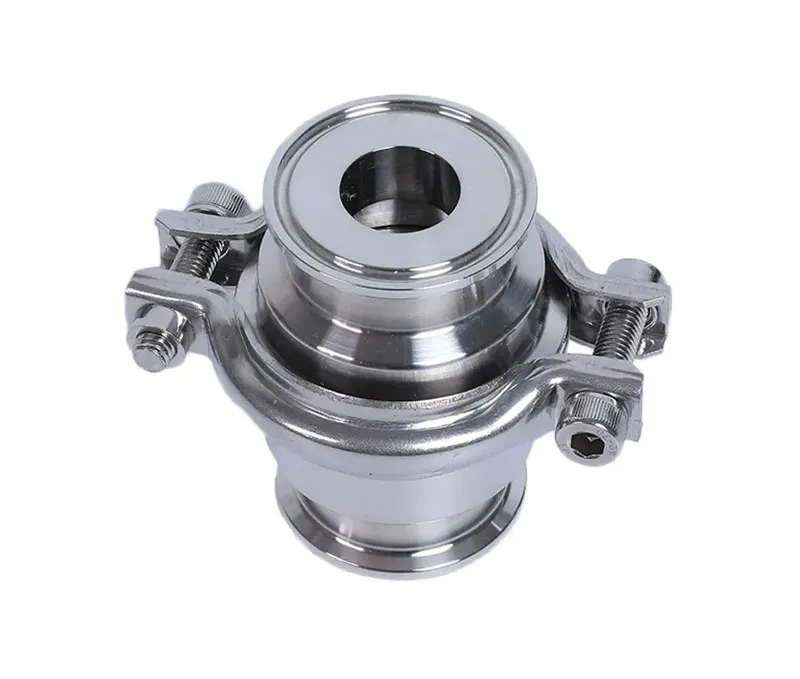
Sanitary valve

Aohoy is committed to developing valve control units, automatic control valves, aseptic valves, and pipeline and container safety control technologies.

The product range includes various fluid equipment, such as stainless steel butterfly valves, sanitary ball valves, sanitary check valves, sanitary sight glasses, manhole covers, and pipeline connectors.
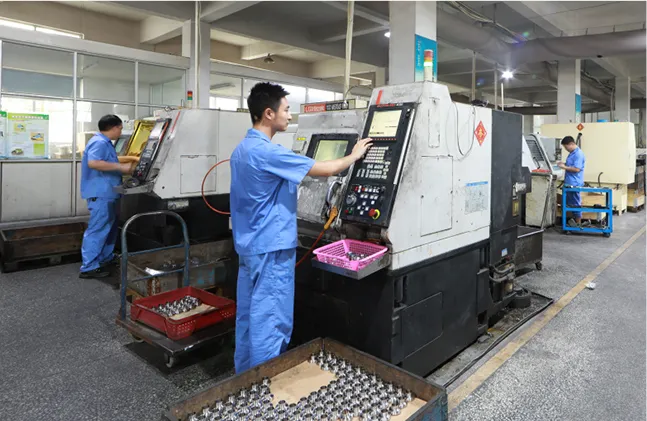
Reasons to choose Aohoy
img
img
Guaranteed Zero Leakage

Zero-Leakage Assurance via 100% Pressure Testing Every single valve undergoes rigorous air-tightness and hydraulic pressure testing before leaving our factory—we never rely on random sampling. We use FDA-compliant EPDM and PTFE seals designed for high-cycle durability, ensuring stable operation even in intensive processing environments.

img
Dead-Leg Free Hygienic Design

Hygienic Design for Contamination Control Our valves feature a "Full Bore" and "Dead-leg Free" internal structure that eliminates fluid retention areas where bacteria can grow. This precision-engineered flow path maximizes CIP/SIP cleaning efficiency, safeguarding your product purity in food and pharmaceutical applications.

img
Full Material Traceability (MTC 3.1)

Complete Material Traceability (EN 10204 3.1) Quality you can trace. All valve bodies are laser-marked with a unique heat number. We provide full Material Test Certificates (MTC 3.1) with every shipment, ensuring complete traceability from the raw steel ingot to the finished valve.

img
Easy Maintenance & Spare Parts

Low-Cost Maintenance & Serviceability Designed for the real world, our valves feature an easy-disassembly structure that requires no special tools for seal replacement. We maintain a permanent stock of standard seal kits, minimizing your downtime and maintenance costs.
img
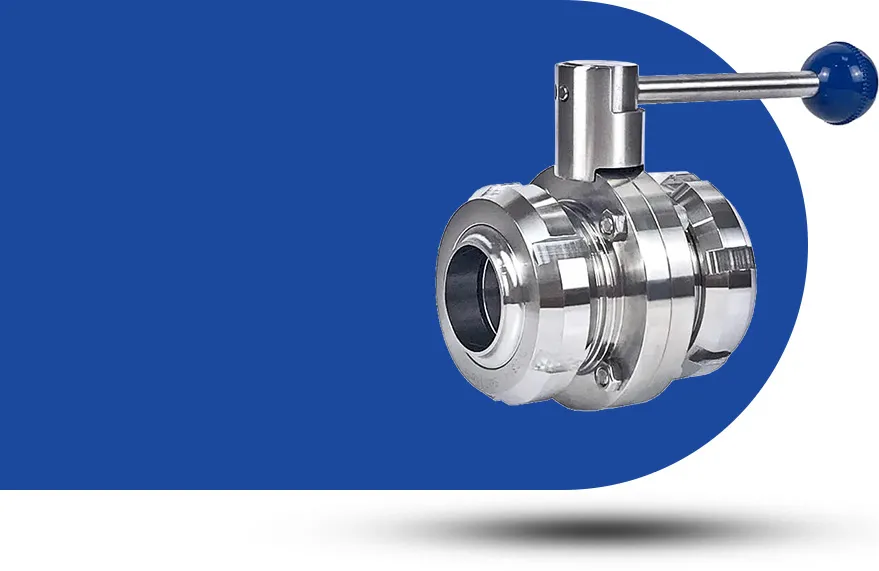
What is a Sanitary Valve?
A Sanitary Valve is a type of valve specifically designed for use in applications where hygiene is of utmost importance. These valves are commonly used in the food, beverage, pharmaceutical, and biotechnology industries.
They are constructed with smooth surfaces and materials that are easy to clean and sterilize to prevent contamination of the substances passing through the valve. Sanitary valves come in various types such as ball valves, butterfly valves, and diaphragm valves, and play a crucial role in maintaining the purity and quality of products in hygienic processes.
FAQ About Sanitary valve
What materials are used to make sanitary valves?
Sanitary valves are typically made from materials that are resistant to corrosion, easy to clean, and durable. Common materials include: Stainless steel (304, 316L): The most common material, particularly 316L for its corrosion resistance. Silicone: Used for seals and gaskets. PTFE (Teflon): Used for seals and gaskets due to its non-stick properties.
What is the importance of surface finish in sanitary valves?
The surface finish is critical in sanitary valves to ensure they can be cleaned effectively and do not harbor bacteria or other contaminants. Common surface finishes include: Ra 32 (smooth finish): For general applications. Ra 16 (mirror finish): For highly critical applications where cleanliness is paramount.
What is a tri-clamp connection in sanitary valves?
A tri-clamp (or tri-clover) connection is a common method for connecting pipes and valves in sanitary applications. It uses a clamp, gasket, and two ferrules to create a secure, leak-proof, and easy-to-disassemble connection.
What is the difference between a sanitary valve and a regular industrial valve?
Sanitary valves are specifically designed to meet higher hygiene and cleanliness standards compared to regular industrial valves. They are easy to clean, have smooth internal surfaces, and are made of materials that are resistant to corrosion and contamination.
How do I clean and maintain a sanitary valve?
Regular cleaning and maintenance are essential for sanitary valves to ensure they remain in compliance with hygiene standards. Common practices include: CIP (Cleaning-in-Place): A cleaning process where the valve and connected system are cleaned without disassembly. Routine inspection: Check for wear, leakage, and corrosion. Replace seals and gaskets: Regularly replace rubber seals and gaskets that could degrade over time.
Excellent Service Preferred Aohoy
With its experienced specialists,specializes in manufacturing industrial valves and provides technical support and one stop solution global market.

GET A QUOTE

+86 13968899012

GET IN TOUCH NOW
Captcha Code