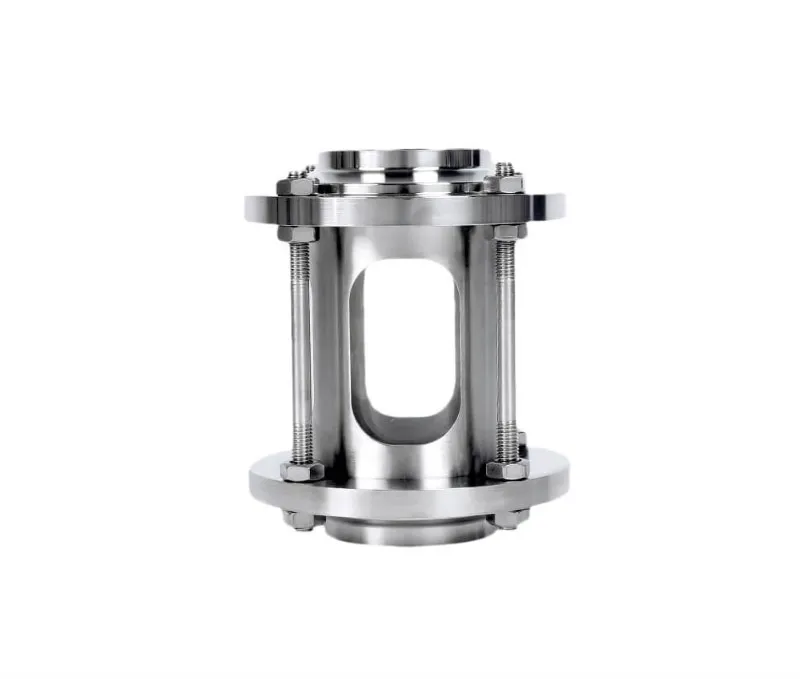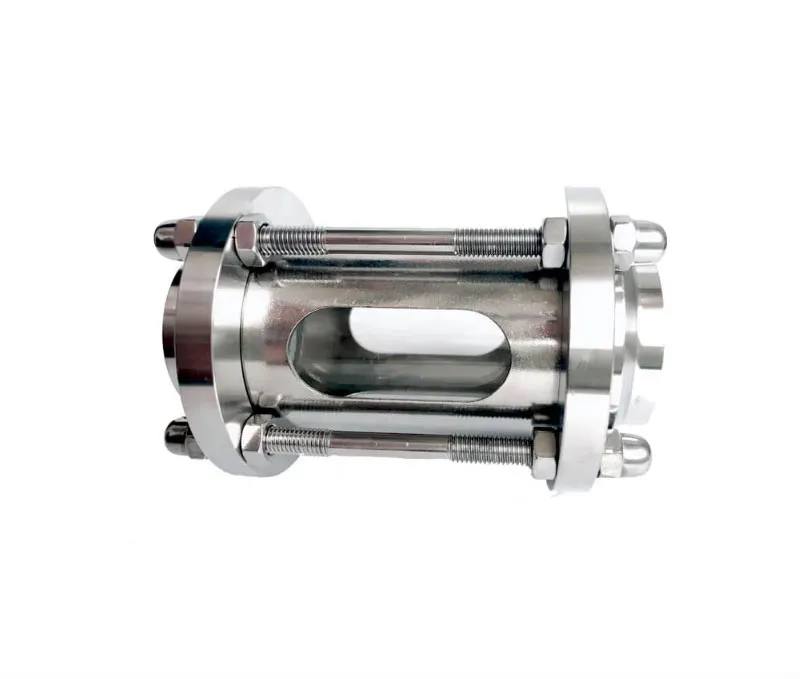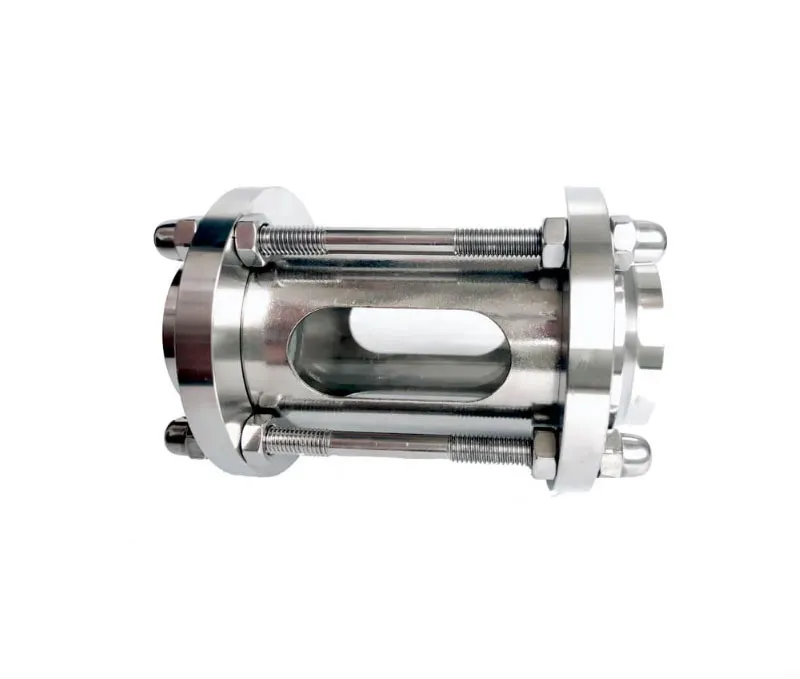

Article Overview: Sealing is one of the most underestimated subsystems in sanitary fluid handling. Teams often focus on valve bodies or pipe diameters while treating seals as a commodity item. Yet seal failure is a top cause of product contamination, unscheduled downtime, and CIP rework. This article compares sealing approaches across materials, design types, and operational contexts to help procurement and engineering teams make informed, risk-aware decisions. We provide a structured framework to evaluate trade-offs rather than chase the lowest bid or the most exotic material.
In hygienic applications — from dairy to biopharma to beverage — every component that touches product must be cleanable, corrosion-resistant, and free of dead zones. Seals sit at the interface between static and moving parts, or between jointed sections of pipe. They are inherently vulnerable to mechanical stress, thermal cycling, and chemical attack. A gasket that works well in a cold-water line may swell, crack, or extrude in a steam-in-place (SIP) loop.
Too often, teams select seals based on a single criterion: price or maximum temperature rating. This narrow focus leads to mismatches. For example, a cheap EPDM gasket might handle hot water but degrade in the presence of oils or certain sanitizers. A PTFE envelope gasket resists nearly all chemicals but can creep under bolt torque, causing leaks over time. The decision is not about finding a perfect seal — it is about finding the best compromise for your specific process envelope.
To avoid common pitfalls, start by mapping your process parameters: temperature range, pressure cycles, fluid chemistry, cleaning frequency, and allowable maintenance windows. Only then can you compare sealing options on a level playing field. The same logic applies to valve seat seals, which we examine next.
Seal materials fall into three broad families: elastomers (e.g., EPDM, silicone, FKM), polytetrafluoroethylene (PTFE) and its modified variants, and metal seals (e.g., 316L stainless steel with polymer inserts). Each family has distinct strengths and weaknesses.
Elastomers are resilient and conform well to surface imperfections, making them effective in low-pressure static seals. Their main drawback is limited chemical and temperature resistance. EPDM is excellent for steam and hot water but swells in hydrocarbons. Silicone offers wide temperature tolerance but poor wear resistance. FKM (Viton) handles aggressive chemicals but is expensive and degrades with steam above 150°C. For processes that involve CIP with caustic and acid cycles, elastomer selection must be validated against the specific cleaning agents used.
PTFE-based seals (virgin PTFE, glass-filled PTFE, or PTFE envelopes) offer broad chemical inertness and low friction. They can operate from cryogenic to moderate high temperatures. However, PTFE creeps — it deforms under sustained load — which causes leak paths in bolted connections or dynamic seals. Modified PTFE (e.g., PTFE with fillers) improves creep resistance but may reduce chemical compatibility. PTFE seals are often used in sanitary ball valves because they provide a smooth, non-stick sealing surface.
Metal seals are used in extreme conditions: high pressure, high temperature, or when zero permeation is required. They are common in sanitary butterfly valves with metal-to-metal seating (often with a polymer insert for bubble-tight shutoff). Metal seals are robust but require precise alignment and higher actuation forces. They are also more expensive and less forgiving of pipe misalignment. Choose metal seals only when elastomer or PTFE cannot meet the process demands, such as in sterile steam lines above 180°C.
Trade-off summary: elastomers are cost-effective for moderate conditions, PTFE excels in chemical resistance but not for dynamic or high-load applications, and metal seals are the heavy-duty solution with a price premium. Your selection should map to the most constraining parameter in your process, not just the average condition.
The distinction between seat seals (inside valves) and gasket seals (between pipe flanges or fittings) is often blurred in specification documents. Each type has a different failure mode and maintenance cycle.
Valve seat seals — such as the liner in a butterfly valve or the seat ring in a ball valve — are subjected to shear forces during opening and closing. They must withstand friction, pressure differentials, and sometimes abrasive particles. In sanitary butterfly valves, the seat is often an elastomeric liner bonded to the valve body. Over time, the liner can wear, swell, or delaminate. Replacement requires valve disassembly and often special tools. For processes with frequent cycling, consider valves with replaceable seats or those designed for in-line maintenance. Many teams overlook the total cost of ownership: a cheaper valve with a shorter seat life may cost more over five years than a premium valve with a field-replaceable seat.
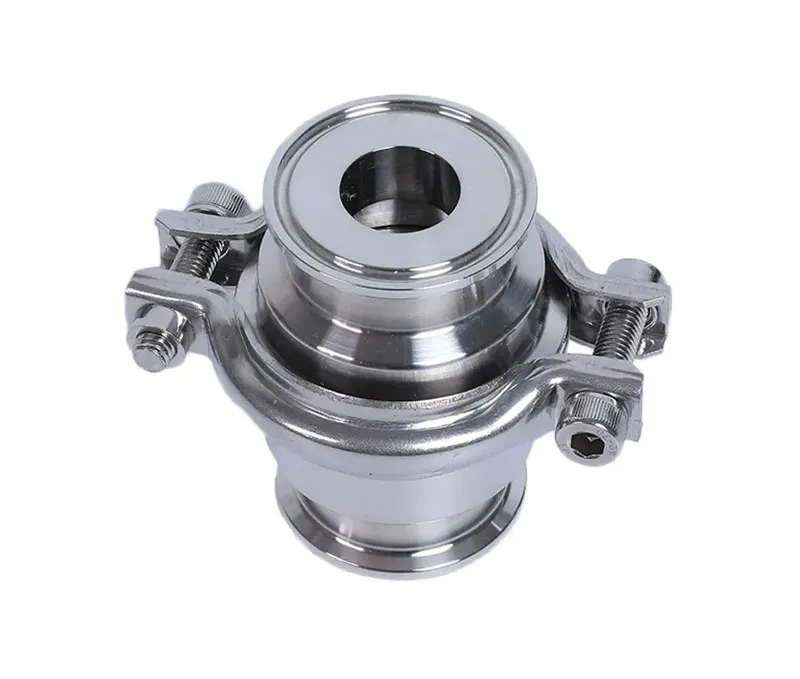
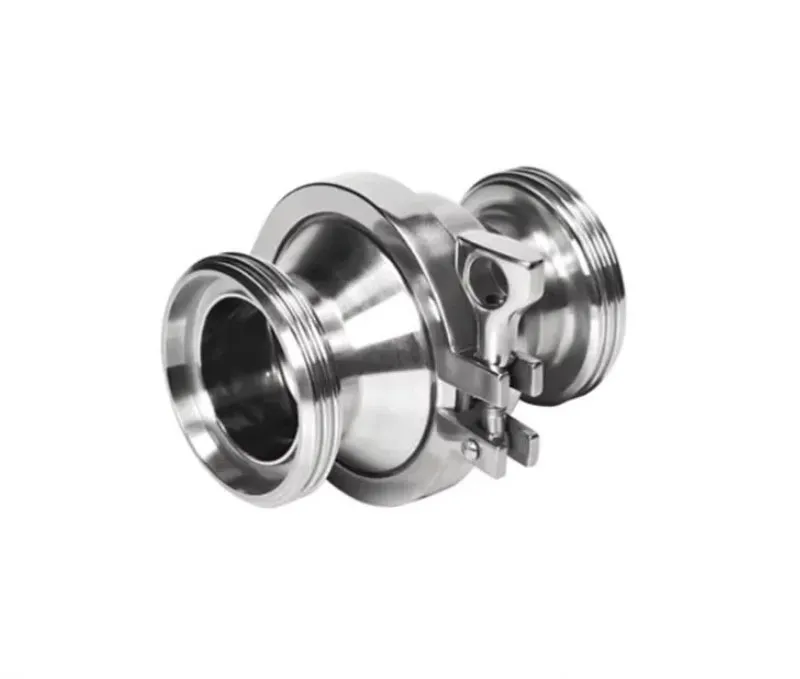
Gasket seals are static — they seal the joint between two stationary surfaces. In sanitary piping, tri-clamp (tri-clover) fittings with gaskets are ubiquitous. The gasket sits under a clamp and is compressed evenly. Common gasket types include full-face elastomers, spiral-wound (rare in sanitary), and PTFE envelope gaskets. Gasket failure typically results from improper installation (over-torquing or under-torquing), thermal cycling, or chemical attack. Gaskets are relatively easy to replace, but a leak in a hidden joint can cause contamination that is difficult to trace. Standardizing on a single gasket style and material across an entire facility reduces training errors and spare parts inventory. See the range of tri-clamp fittings offered by Aohoy for compatible gasket options.
The key decision checkpoint: valve seat seals demand more attention to duty cycle and actuation forces; gasket seals demand more attention to installation torque and thermal expansion. Match your inspection and replacement schedule accordingly.
Sealing systems interact directly with Clean-in-Place (CIP) and Steam-in-Place (SIP) protocols. A seal that looks good on paper may fail rapidly under repeated cleaning cycles.
Consider the impact of temperature spikes during CIP. If the seal is an elastomer, the repeated expansion and contraction can cause compression set — the seal loses its ability to rebound, leading to a permanent leak path. PTFE seals, while more chemically resistant, can suffer from thermal cycling fatigue if the heating and cooling rates are extreme. Metal seals fare better thermally but can develop microcracks if the cleaning solution contains chlorides (risk of stress corrosion cracking).
Wear patterns also differ by seal location. A pump seal (mechanical seal, not covered here) sees continuous sliding. A valve seat seal sees intermittent contact. A gasket seal only deforms during assembly. For gaskets, the most common wear pattern is compression set over time. To extend gasket life, use only the minimum torque recommended by the manufacturer and replace gaskets at set intervals, not when a leak appears. For valve seats, visual inspection during maintenance shutdowns is critical. Look for flat spots, cuts, or discoloration. Some facilities use pressure decay tests to detect leaking seat seals without disassembly.
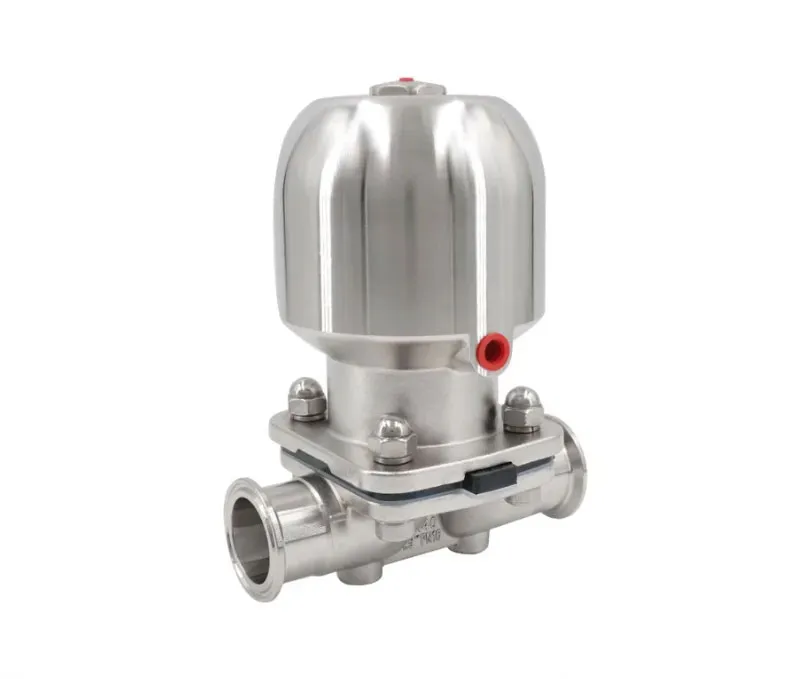
A comparison-oriented approach: if your process runs CIP daily and SIP weekly, invest in seat seals with proven track records in similar duty cycles. Ask suppliers for case studies or test data. Avoid seals that are only qualified for static conditions. Also, consider the flow path: deadlegs or pockets can harbor bacteria even with perfect static seals. This is why tank outlet valves often use full-bore designs that eliminate cavities. The sanitary control valve category includes models designed for automated CIP integration.
Use the following criteria to evaluate sealing solutions for any new line or retrofit project. This framework is intended to be vendor-neutral and applicable across equipment types.
To operationalize this framework, create a parameter matrix with your process requirements on one axis and candidate seal types on the other. Score each candidate on compatibility, life expectancy, and cost. Involving the plant maintenance team early can surface practical constraints that procurement alone may miss. For example, they may prefer a standardized gasket size across all connections to reduce spare parts complexity. The sanitary fitting category provides a wide selection of standard sizes to support such standardization.
How often should gaskets in tri-clamp fittings be replaced?
In typical CIP-based processes, replace every 12–18 months, or sooner if signs of compression set or cracking appear. For sterile lines, consider annual replacement during validation shutdowns.
Can I use the same seal material for both product contact and steam service?
Not without careful verification. EPDM handles steam well but may not suit all product chemistries. PTFE resists both but may leak under thermal cycling. A separate material for each service is often safer.
What causes a seat seal in a butterfly valve to fail prematurely?
Most common causes: (a) over-tightening the valve closure, (b) operating at pressure beyond the seat rating, (c) abrasive particles in the fluid, and (d) frequent cycling without proper lubrication (if required).
How do I know if a seal is suitable for CIP/SIP?
Request specific test data from the supplier: resistance to temperature cycles, compatibility with common cleaning agents (NaOH, HNO3, peracetic acid), and absence of extractable compounds. Certified compliance with 3-A or EHEDG is a strong indicator.
Is a metal seal always better than an elastomer seal?
No. Metal seals are superior only in extreme conditions. In moderate settings, they add unnecessary cost and may not achieve bubble-tight shutoff as reliably as a soft seal. Choose based on the worst-case parameter, not a blanket preference.
Sealing in sanitary systems is a balancing act between material compatibility, mechanical demands, and operational reality. The most expensive seal is not automatically the best; the cheapest seal rarely delivers acceptable lifecycle performance. By comparing seal types across the criteria we've outlined — temperature, chemistry, duty cycle, maintenance, and total cost — teams can spec with confidence rather than guesswork. Start with your process constraints, build a decision matrix, and involve both procurement and maintenance in the evaluation. This structured approach reduces the risk of contamination, downtime, and last-minute substitutions that plague many projects. Remember that standardization across similar applications simplifies spares management and training. Use the internal links provided to explore specific valve and fitting options that integrate well with your chosen sealing philosophy.